How to Check if Your Johnnie Walker Black Label is Original: The Ultimate 2026 Guide
2026-08-31
.png)
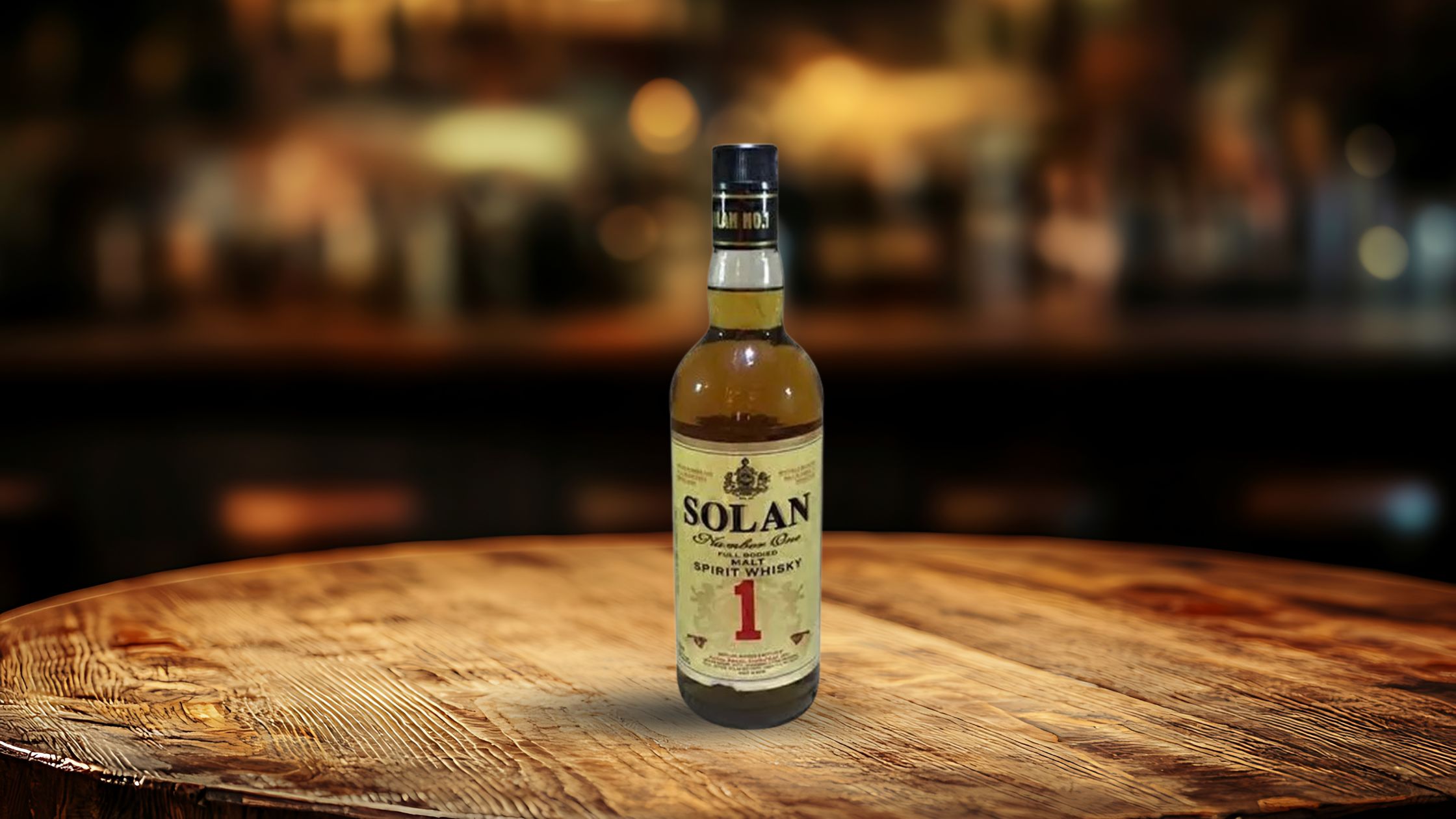
The first product that existed before Amrut created its global impact in 2004, and Indri began to receive international recognition, was an ordinary hexagonal bottle, which people found at military canteens and vintage clubs.
The company did not use an expensive marketing campaign. The company did not employ a celebrity spokesperson. The only thing that existed for the product was its title, Solan No.1.
When you ask Gen-Z drinkers about Indian Single Malts, they will mention Godawan and Paul John. Your father will show excitement when you mention Solan No. 1 to him.
This spirit which people call India's First Malt Whisky acts as a historical representation of time. The distillery produces the product through its founder, Mohan Meakin, who established the distillery before many well-known Scottish distilleries.
The British Raj relic from 2026 shows its current relevance. The glass design only serves to create wistful memories.
The following content presents a truthful assessment of Solan No. 1.
.jpg)
You can't talk about Solan No. 1 without talking about Edward Dyer. Yes, the father of the infamous General Dyer, but let's focus on the brewing.
In 1855, Edward Dyer set up a brewery in Kasauli, high in the Himalayas. He chose this spot for two reasons:
This distillery is one of the oldest in Asia. While the world was busy drinking gin, Dyer was busy creating a malt whisky using traditional copper pot stills.
Today, the Kasauli distillery is arguably the longest-operating distillery in the region. When you sip Solan No. 1, you are literally sipping history.
One fascinating detail?
Despite its age and legacy, Mohan Meakin has never relied on advertising. Solan No.1 survives almost entirely on reputation, word of mouth, and tradition.
Most Indian whiskies rely heavily on molasses-based spirit, blending it with grain neutral alcohol or imported whisky. The result is often closer to rum than whisky.
Solan No.1 breaks that mold.
This production method alone sets Solan apart from the vast majority of Indian whiskies on the shelf.
Let’s be candid: Solan No.1 looks dated.
There’s nothing premium or modern about the presentation.
If anything, it feels frozen in time. Whether this is intentional “heritage styling” or simply neglect is unclear, but the packaging does not reflect the whisky’s character inside.
.jpg)
Palate
The first sip surprises:
The flavor is unconventional but genuinely enjoyable, bold, expressive, and unlike most whiskies at this price point.
Add ice, and Solan No.1 transforms.
The profile suddenly resembles a Painkiller cocktail, pineapple, orange, and warm spice, but without the sugary heaviness. Fruity notes come forward, while nutty and spicy elements take a back seat.
You may pick up:
If you enjoy whiskies that step outside traditional Scotch flavor profiles, this is where Solan No.1 wins hearts.
Honestly, past experiences with Indian whisky hadn’t been great, and I half-expected disappointment.
That didn’t happen.
Instead, Solan No.1 delivered:
Yes, the packaging is outdated. Yes, the flavor is unconventional. But this whisky proves that character matters more than polish.
There’s a reason this Himalayan distillery has survived for nearly two centuries without marketing hype.
| Read also |
-clean_1787744332.png)
_1786449176.jpg)