The Liquid Gold of the Seven Sisters: Unlocking the Startup Potential of North East India’s Ethnic Brews
2026-07-27
.png)
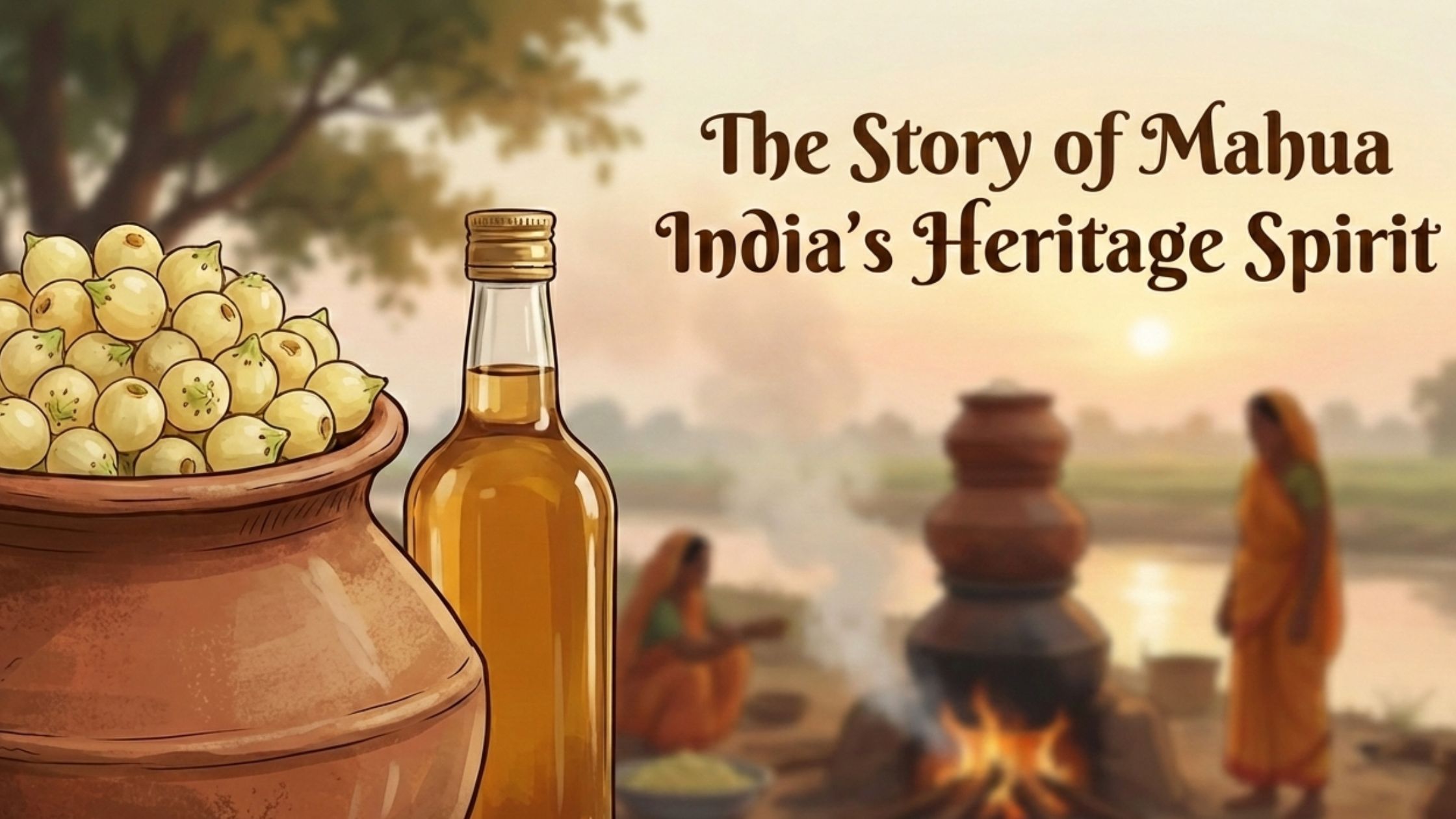
The trendy Goa bars and the high-end Mumbai restaurants of today display an unusual product which they use to accompany their imported Single Malts and artisanal Gins. It’s Mahua.
For decades, Mahua existed as Desi Daru which represented an unregulated Indian liquor that people found packaged in plastic pouches throughout tribal areas.
The drink which belonged to the forest, remained unknown to urban areas, the script has reversed its direction.
Mexico used its rural Mezcal to achieve international fame, while India has begun to recognize its native alcoholic beverages.
The world has one pot-distilled spirit which includes naturally sweet flower petals as its base. That fact alone makes it a global rarity.
The Mahua heritage spirit of India requires complete exploration which includes its tribal origins and colonial restrictions and current premium revival.
At its core, Mahua is a clear spirit distilled from the flowers of the Madhuca Longifolia tree (commonly known as the Mahua tree).
Mahua exists as a distinct alcoholic beverage which does not follow the typical production methods used to create spirits from grain or fruit or molasses.
The tree grows through most of Central and Northern India which includes the states of Madhya Pradesh and Chhattisgarh and Jharkhand and Odisha and Maharashtra and Andhra Pradesh.
The indigenous tribes of these regions consider the Mahua tree to be more than an alcohol source because they view it as the Tree of Life.
The tree provides multiple uses through all its parts which people use for food and medicine and fodder but its flowers serve as the most valuable component.
.jpg)
To understand the drink, you have to understand the history of Mahua liquor, which is a tale of oppression and resilience.
For centuries before the British arrived, Mahua was an integral part of tribal culture. It wasn't just a way to get intoxicated; it was sacred.
No tribal wedding, festival, or funeral was complete without an offering of Mahua to the gods and the ancestors. It was a community drink, often brewed in earthen pots in the backyard.
When the British Raj took over, they saw Mahua as a threat. Not a health threat, but an economic one.
Fast forward to today. The Indian government (specifically FSSAI and state governments like Madhya Pradesh and Maharashtra) has finally recognized the potential of this drink.
They have created a new category called "Heritage Spirit" or Heritage Liquor.
This move separates high-quality, hygienically distilled Mahua from the unregulated country liquor, allowing it to be sold in premium wine shops.
.jpg)
How does a flower become a spirit? The process is fascinatingly simple yet difficult to master.
Unlike fruits that are plucked, Mahua flowers are never picked. You wait for them to fall.
During the start of summer (March-April), the forests of Central India are carpeted with these pale, fleshy flowers. Tribal communities wake up before dawn to collect them by hand.
The flowers are sun-dried for several days. In their fresh state, they are greenish-white. As they dry, they turn a rusty, reddish-brown and their sugar concentration increases.
A dried Mahua flower is incredibly sweet, tasting almost like figs or raisins.
This is where the magic happens. The dried flowers are rehydrated with water. Yeast begins to eat the natural sugars in the flower.
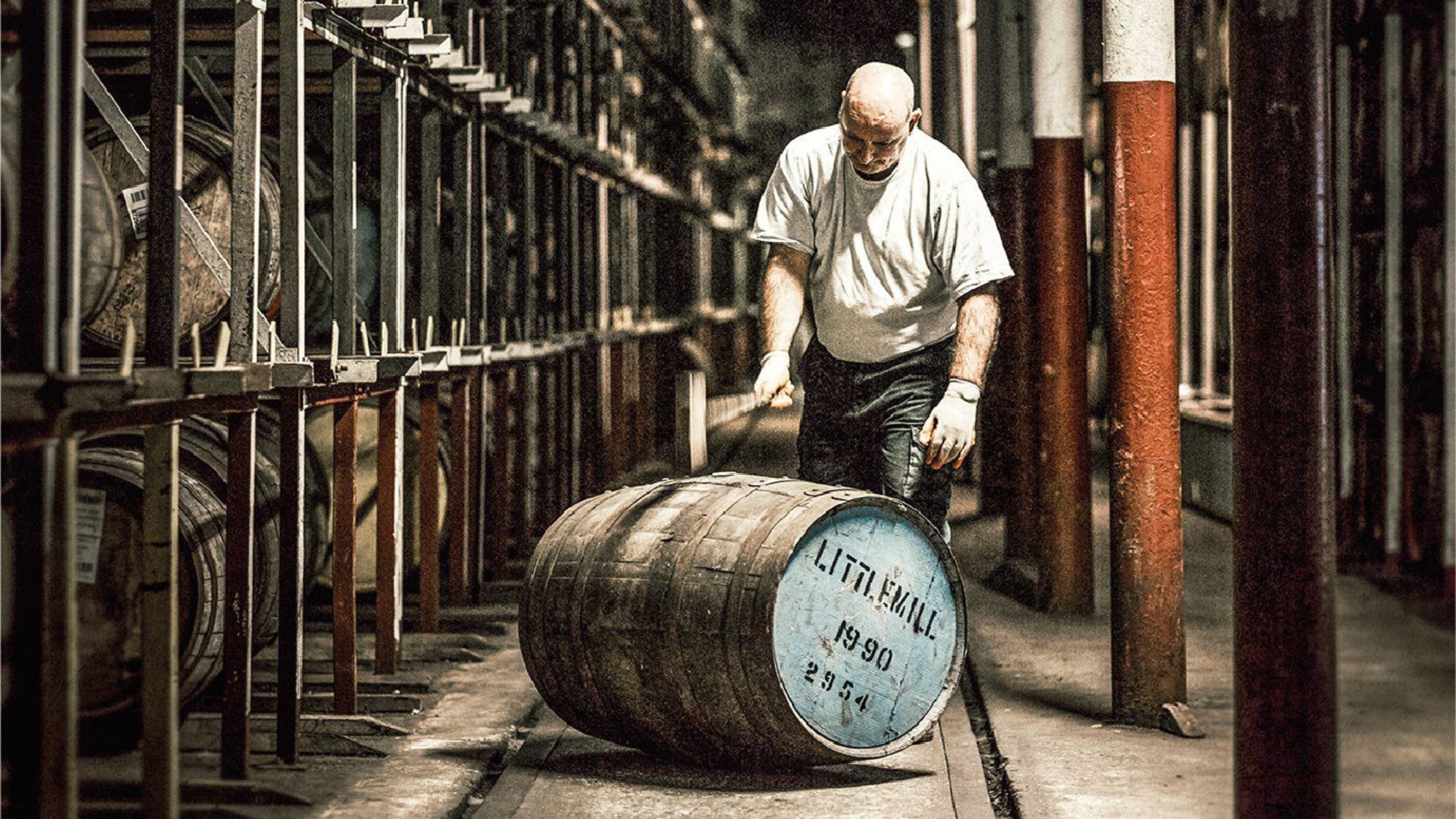
Traditionally, this was done in earthen pots over wood fires. Today, premium brands use copper pot stills (similar to Single Malt Scotch or Cognac) to refine the spirit.
.jpg)
The most common question is, "Does it taste like flowers?"
When people hear flower spirit, they expect something like rose water or Elderflower cordial. Mahua is different. It is robust.
The Tasting Profile:
The legal status of Mahua is complicated because alcohol laws in India are state subjects.
Yes, but buying a premium bottle is easiest in Goa, Mumbai, or MP.
Mahua is no longer a drink to be hidden. It is a Heritage Spirit that represents the soul of India’s forests. It is complex, floral, and deeply connected to our soil.
For the modern Indian drinker, swapping a generic vodka for a bottle of Mahua is the ultimate flex. It shows you know your roots, and more importantly, you know good flavor.
So, the next time you see that bottle of DesmondJi or Six Brothers, pick it up. Pour a glass, close your eyes, and taste the Indian forest.
Read also: |