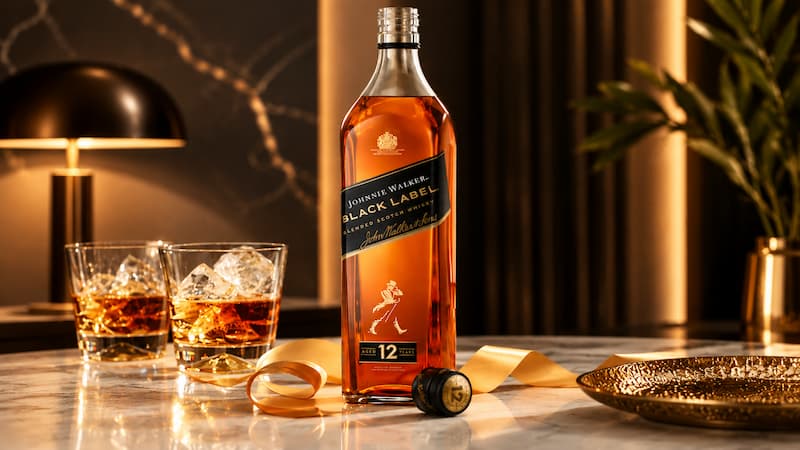
How to Check if Your Johnnie Walker Black Label is Original: The Ultimate 2026 Guide
2026-08-31
.png)
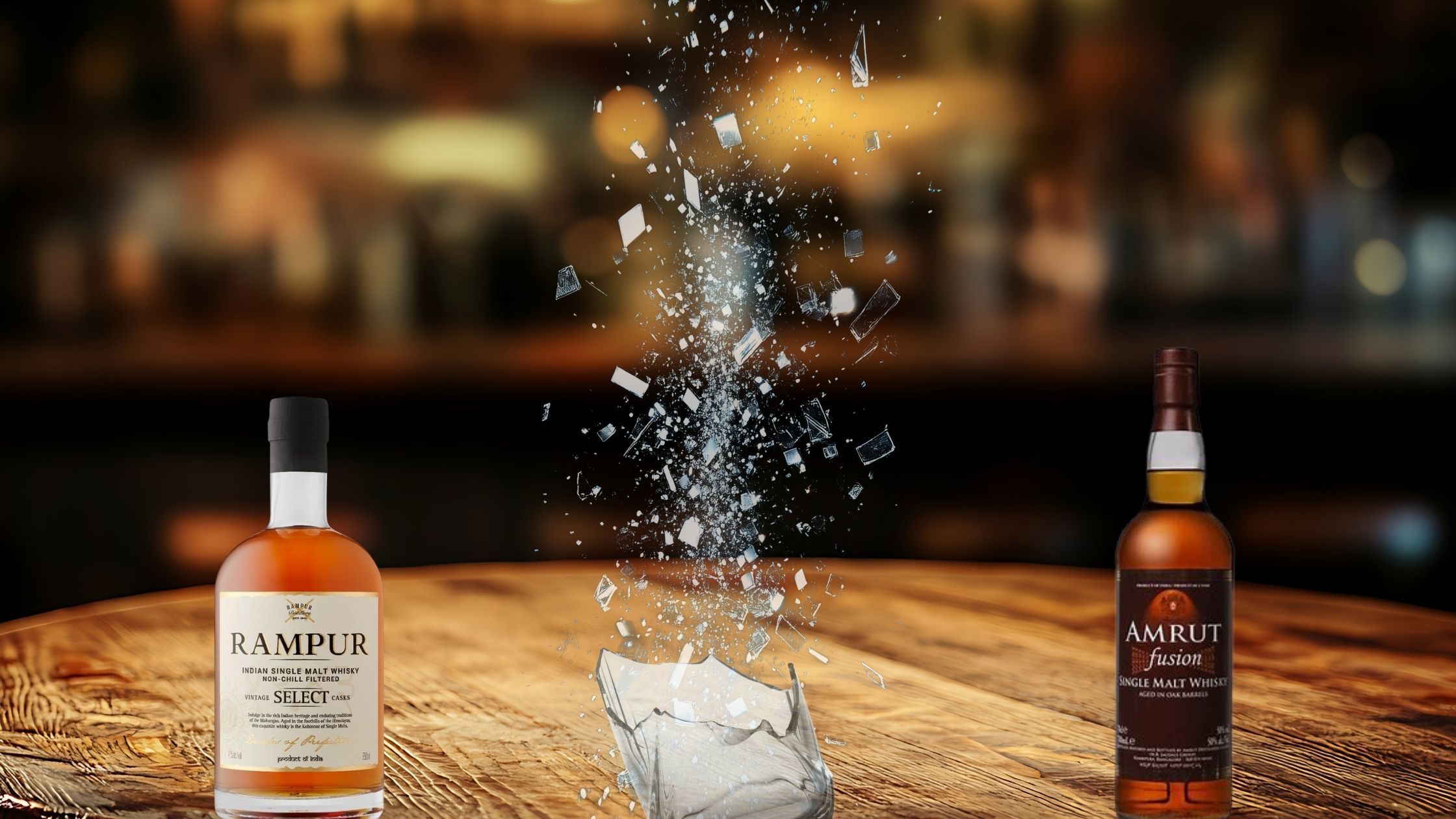
Indian single malt whisky is no longer trying to prove it belongs on the global stage; it already does. What Indian drinkers are debating now is far more interesting: which Indian single malt actually suits their palate, their occasion, and their idea of “premium”?
Two names come up again and again in that conversation: Rampur Single Malt and Amrut Fusion.
Both are respected. Both are proudly Indian. Both cost a premium compared to blends. Yet they couldn’t be more different in how they taste, how they feel, and how they fit into a drinker’s life.
So instead of asking which one is better, the real question becomes:
Which one is better for you? Let’s break this down the way experienced Indian drinkers actually think about whisky, not just specs, but feel, flavour, and purpose.
Rampur Single Malt comes from Uttar Pradesh and is shaped heavily by refinement and balance. It doesn’t aim to shock the palate or dominate it. Instead, it focuses on smooth transitions, layered sweetness, and a composed drinking experience.
Rampur feels like a whisky designed for:
It doesn’t rush you, and it doesn’t demand attention. It earns it.
Amrut Fusion, from Bengaluru, is a very different beast. It combines Indian-grown barley with peated Scottish barley, matured under India’s intense climate. The result is bold, muscular, and unmistakable.
Amrut Fusion feels like a whisky made for:
It doesn’t whisper. It speaks clearly and confidently.
On paper, Amrut Fusion is stronger, and in the glass, you feel it.
Rampur’s alcohol is:
Amrut Fusion’s alcohol:
This difference alone can decide which whisky suits you better.
Rampur is all about grace.
You’ll notice:
There’s no sharp edge here. Everything flows smoothly from sip to finish.
Rampur doesn’t overwhelm your palate, it invites you to slow down.
Amrut Fusion is about intensity and structure.
Expect:
Each sip delivers layers, and the flavours continue to evolve as you drink. This is a whisky that rewards focus and experience.
Smoothness is subjective, but patterns are clear.
If you associate premium with softness and elegance, Rampur wins.
If you associate premium with depth and boldness, Amrut Fusion stands out.
Rampur is more forgiving. Amrut Fusion is more demanding but also more rewarding if handled right.
Rampur feels right for:
It signals sophistication without excess.
Amrut Fusion fits:
It’s not a background whisky. It’s a talking point.
This matters more than many admit.
Rampur blends into a premium bar setup seamlessly.
Amrut Fusion stands out and invites curiosity.
If you’re new to Indian single malts:
Starting with Amrut Fusion can feel overwhelming for some drinkers.
Prices vary by state, but broadly:
|
Whisky |
Approx Price (750ml) |
|
Rampur Single Malt |
₹4,000 – ₹5,000 |
|
Amrut Fusion |
₹6,000 – ₹7,500 |
Rampur is more accessible in price, especially for drinkers entering the premium single malt space.
Amrut Fusion sits higher, reflecting its reputation, complexity, and global acclaim.
From a value perspective, both justify their pricing but in different ways.
Rampur offers:
Amrut Fusion offers:
Neither is overpriced; they simply deliver value differently.
There is no absolute winner here, only the right match.
Choose Rampur Single Malt if you:
Choose Amrut Fusion if you:
Both represent the best of Indian whisky, just through very different personalities.
And that’s exactly why this comparison matters.
-clean_1787744332.png)
_1786449176.jpg)