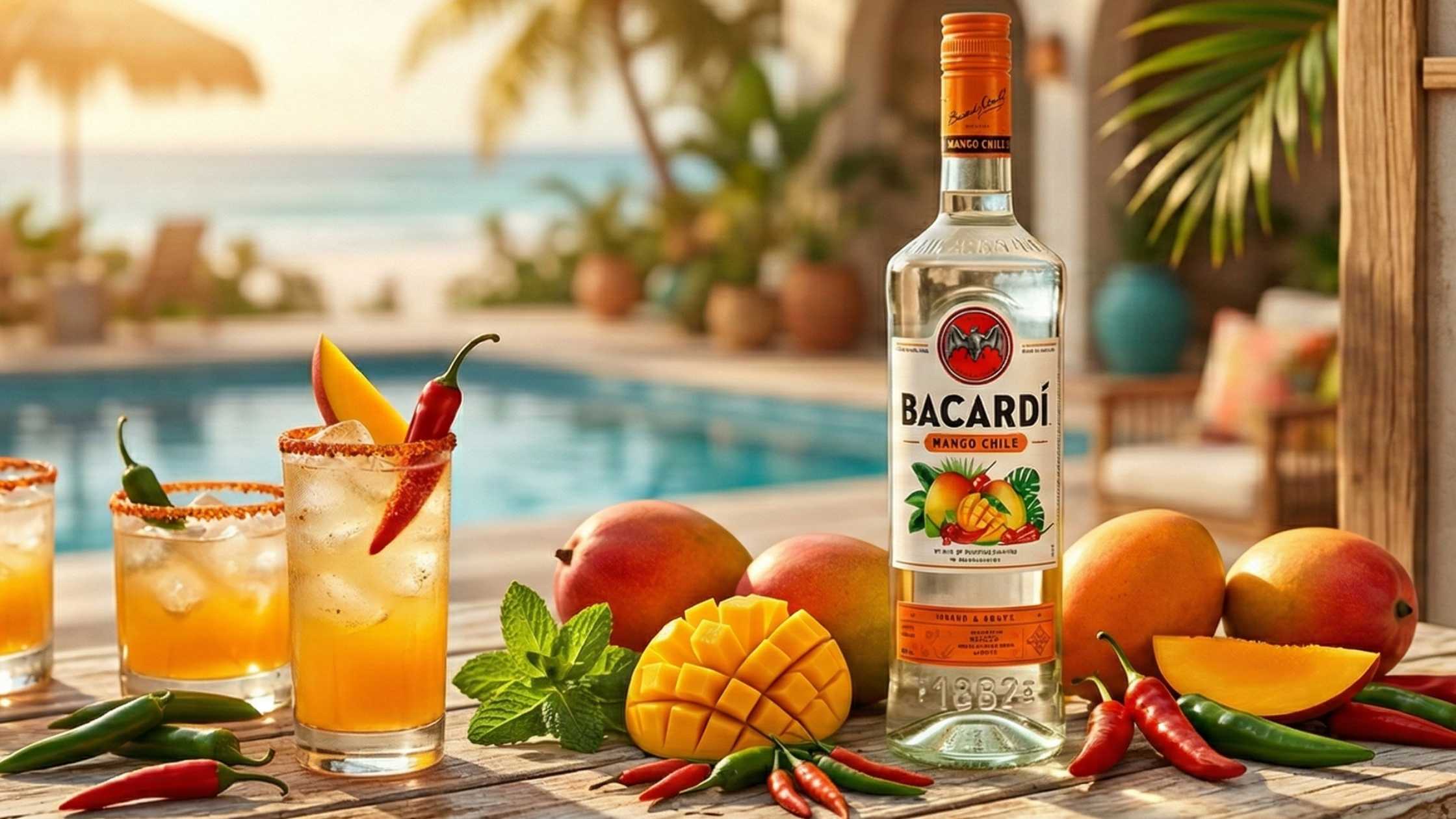
Mango Chilli Bacardi Rum Price in India and Flavor Review
2026-03-02
.png)
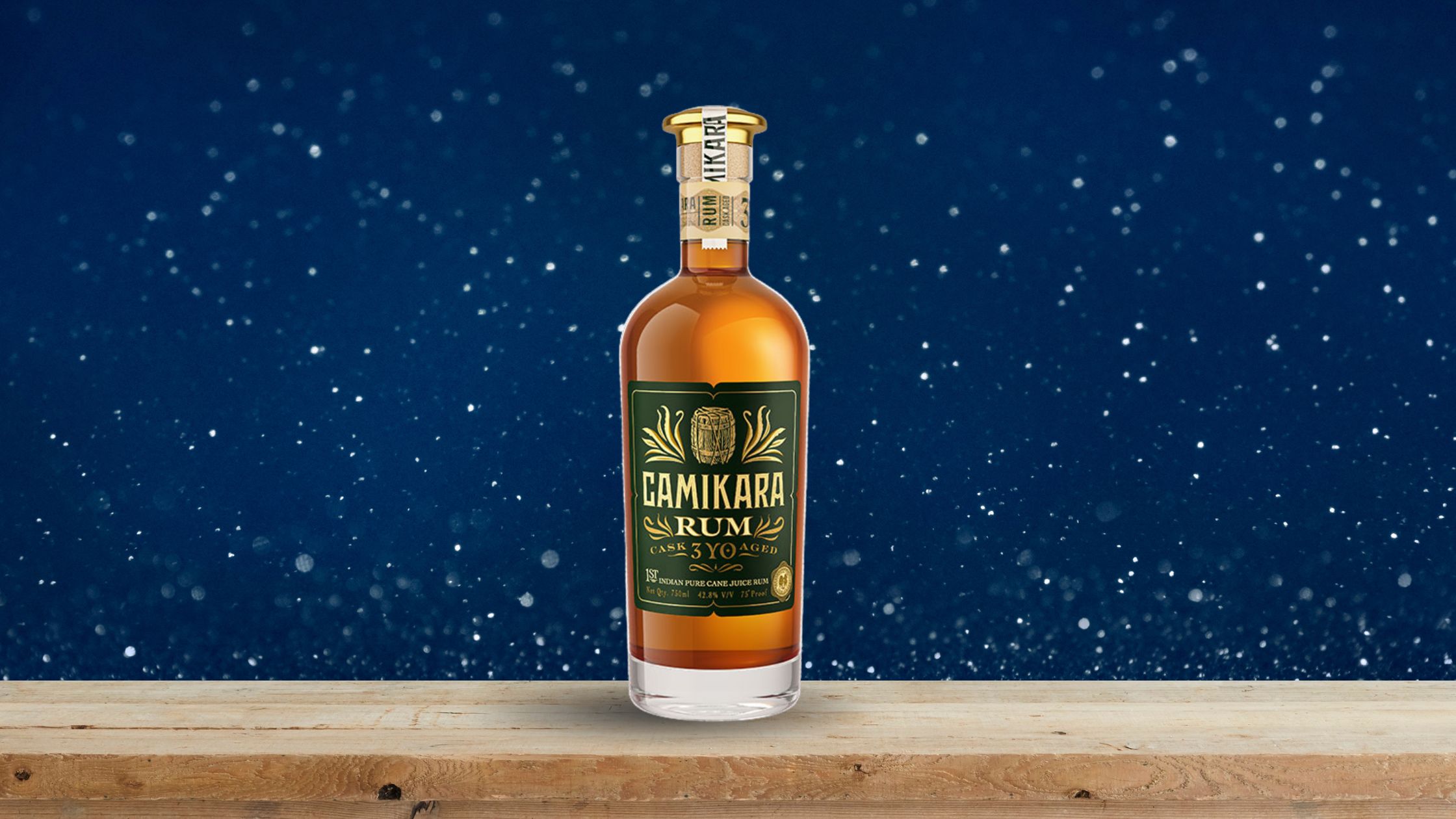
Indian rum has always had an image problem. Too sweet, too harsh and too mix it and forget it.
Then Camikara Rum showed up and quietly flipped the table.No molasses, no shortcuts and no trying to be Caribbean.
Instead, Camikara positioned itself as India’s first pure cane juice rum, crafted more like an agricole than a typical dark rum. And that one decision changed everything.
If you’ve seen Camikara on premium shelves and wondered, “Is this really worth the hype?”, this blog breaks it down fact by fact, without marketing fluff.
.jpg)
This is the biggest flex Camikara has. Almost every rum you have drunk in India, from the budget bottles to the premium ones, is likely made from Molasses.
Molasses rums are sweet, heavy, and usually need added sugar to taste smooth.
Camikara is different. It is India’s first pure Cane Juice Rum.
The Process
They take fresh sugarcane juice and ferment it directly. It’s similar to how the French make Rhum Agricole in the Caribbean.
The Taste Result
Instead of tasting like burnt sugar and vanilla essence, Camikara tastes grassy, fresh, fruity, and complex. It retains the actual flavor of the Indian terroir.
Fun Fact
The name Camikara comes from Sanskrit, meaning Liquid Gold. Once you taste the 12YO, you’ll understand why.
If you are wondering, "Who suddenly decided to make world-class rum in India?", look at the family tree. Camikara comes from Piccadilly Distilleries, the same legends who gave us Indri Trini, the single malt that broke the internet by winning "Best Whisky in the World."
They aren't just blending spirits; they are distilling them from scratch in Haryana. They apply the same obsession with wood, casks, and climate to their rum as they do to their whisky.
When you buy Camikara, you aren't buying a mass-market product; you are buying into a lineage of global award-winners.
.jpg)
You often hear about spirits aging in Scotland for 12 or 18 years. But aging spirits in the scorching heat of Northern India is a different ballgame.
In Scotland, the Angel’s Share (alcohol lost to evaporation during aging) is about 1-2% per year. In India, it’s a massive 10-12%.
This high evaporation rate means the liquid left in the barrel becomes super-concentrated very quickly.
The truth is a 12-year-old Indian rum interacts with the wood much more intensely than a 20-year-old Caribbean rum. The result? A flavor bomb that is rich, woody, and incredibly deep.
This is a hard pill to swallow for many Indian drinkers: Most commercial dark rums have added sugar and caramel color. That "smoothness" you feel? It’s often sugar masking the burn.
Camikara takes the purist route:
This is where many Indian drinkers get confused.
Camikara isn’t trying to be:
It’s built like a slow-sip spirit, closer to a whisky or agricole rum.
No artificial sweetness or heavy caramel is masking the spirit. If you’re used to dark, sugary rums, Camikara may surprise you and that’s the point.
|
Aspect |
Camikara Rum |
Traditional Indian Rum |
|
Base |
Pure cane juice |
Molasses |
|
Taste |
Fresh, grassy, clean |
Sweet, caramel-heavy |
|
Use |
Sipping and premium cocktails |
Mixing |
|
Price |
Premium |
Budget to mid |
|
Target Drinker |
Curious, quality-focused |
Mass market |
This comparison explains why Camikara feels different because it is different.
"Okay, I’m sold on the quality, but can I afford it?"
Camikara has smartly positioned itself in three tiers. Here is the estimated 2026 pricing across major cities.
Note: Prices in India fluctuate based on state taxes. These are estimates for 750ml bottles.
|
Variant |
ABV |
Gurgaon (HR) |
Goa |
Mumbai (MH) |
Who is it for? |
|
Camikara 3YO |
42.8% |
₹1,500 - ₹1,650 |
₹1,400 |
₹3,000+ |
The Cocktail Lover |
|
Camikara 8YO |
42.8% |
₹2,800 - ₹3,000 |
₹2,600 |
₹4,500+ |
The Weekend Sipper |
|
Camikara 12YO |
50% |
₹6,000 - ₹6,500 |
₹6,200 |
₹9,000+ |
The Connoisseur |
Camikara Rum is not just a bottle; it's a statement.
It says:
For Indian drinkers ready to evolve beyond old-school rum stereotypes, Camikara is a turning point.
| Read also |