The Best Red Wines for Beginners in India: Smooth, Approachable, and Wallet-Friendly
2026-10-08
.png)
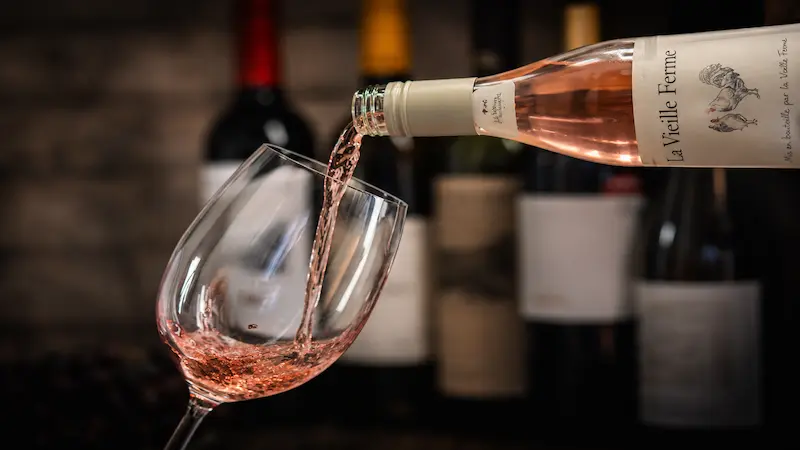
Chicken wine commonly refers to La Vieille Ferme, an affordable French wine brand recognized by its rooster and hen label. The term also includes Chianti Classico, identified by Italy’s iconic Black Rooster seal, symbolizing its heritage and authenticity. Other wine brands feature poultry imagery to attract shoppers. These wines offer approachable flavors, memorable labels, and excellent options for everyday drinking and food pairing.
If you have ever asked a wine shop clerk for "that chicken wine," chances are high they knew exactly what bottle you were looking for.
While wine labels are often dominated by austere family crests, elaborate French châteaux drawings, or minimal modern typography, a surprisingly famous subset of wines relies on poultry power to capture shoppers' attention. The phrase "chicken wine" has become an affectionate colloquialism across wine shops, dinner parties, and internet forums worldwide.
Whether referring to a beloved budget-friendly French Rhone blend, a prestigious Italian Chianti Classico stamped with a black rooster, or culinary rice wines used in global kitchens, "chicken wine" holds a fascinating place in wine culture. Here is the ultimate story behind the labels commonly called chicken wine, why they earned their nicknames, and how they taste in the glass.
When most everyday consumers say "chicken wine," they are referring to La Vieille Ferme (which translates from French to "The Old Farm"). Produced by the iconic Famille Perrin the legendary winemaking team behind Château de Beaucastel in the Southern Rhône this brand is recognizable instantly by the charming sketch of a rooster and hen emblazoned on its front label.
Why It Became a Global Phenomenon
Launched in 1970 as a budget-conscious, everyday drinking wine, La Vieille Ferme set out to prove that French wine does not need to be expensive or pretentious to be delicious. Priced typically between $8 and $12 per bottle (or under $30 for a 3-liter box), it delivers incredible quality-to-price ratio across three core expressions:
La Vieille Ferme Rouge (Red): A traditional Southern Rhône blend dominated by Carignan, Cinsault, Grenache, and Syrah. It is fruit-forward, featuring juicy red berries, soft spice, and smooth, supple tannins that make it effortlessly drinkable.
La Vieille Ferme Blanc (White): Crafted from a blend of Grenache Blanc, Bourboulenc, Roussanne, and Marsanne. It is crisp, floral, and bursting with citrus and green apple freshness, making it a natural match for poultry and seafood.
La Vieille Ferme Rosé: A vibrant blend of Cinsault, Grenache, and Syrah offering refreshing strawberry, peach, and mineral notes perfect for summer sipping.
Because French regional names like Ventoux or Luberon can feel daunting to non-French speakers, North American and international shoppers simply began asking for "the wine with the chicken on it." The nickname stuck, turning La Vieille Ferme into one of the top-selling French imported wines worldwide.
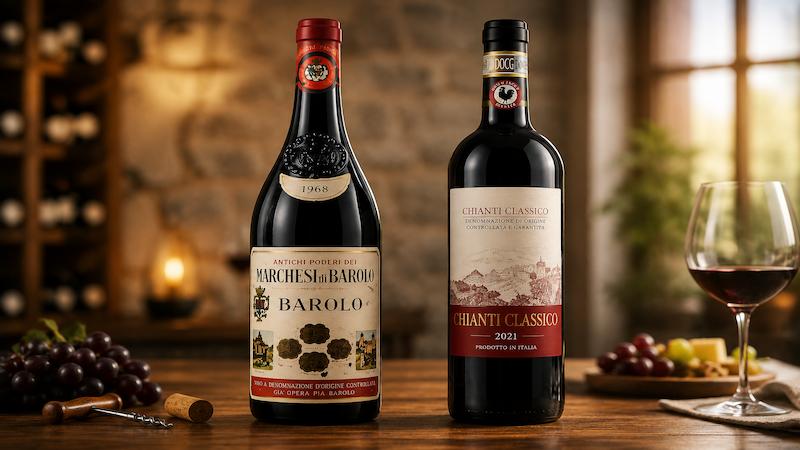
While La Vieille Ferme gained its nickname casually, Italian wine has an official, centuries-old connection to the rooster. If you pick up a bottle of authentic Chianti Classico from Tuscany, you will notice a small round seal on the neck or back label depicting a stark black rooster known as the Gallo Nero.
The Medieval Legend of the Black Rooster
The origin of the Gallo Nero dates back to the 13th century during a territorial dispute between the rival city-states of Florence and Siena over the valuable Chianti wine region.
To settle the boundary without a battle, both cities agreed to a race. At the first cockcrow at dawn, a horse rider would set out from Florence and another from Siena. Where the two riders met would mark the official border between the two republics.
Siena's Strategy: The citizens of Siena selected a well-fed white rooster, assuming a healthy bird would wake early.
Florence's Strategy: The Florentines chose a black rooster (Gallo Nero) and kept it in a dark cage with almost no food for days.
On the morning of the race, the starving, disoriented black rooster crowed long before dawn while it was still pitch black outside. The Florentine rider set off immediately, covering vast territory before the Sienese rider even left his gates (as his white rooster slept in late). As a result, Florence secured almost the entire Chianti district.
What the Seal Means Today
Today, the Gallo Nero is the official trademark of the Consorzio Vino Chianti Classico. Seeing the black rooster guarantees that the bottle inside contains genuine Chianti Classico made primarily from Sangiovese grapes, adhering to strict aging and production rules. It represents bright cherry flavours, earthy leather notes, lip smacking acidity, and food-friendly tannins.
Beyond La Vieille Ferme and Chianti Classico, several other prominent producers use poultry imagery on their packaging:
Rooster's Leap / Rex Goliath
In the New World market, American brand Rex Goliath made waves by featuring a giant, 47-pound circus rooster on its label. Named after a real-life circus bird from the late 19th century, this budget brand offers jammy Cabernet Sauvignon, Pinot Noir, and Chardonnay that lean into bold, approachable California flavours.
Domaine du Pélican & Regional Crests
In France’s Jura region, Domaine du Pélican features a stylized bird on its label, while various traditional European estates integrate cocks and hens into family crests to symbolize vigilance, pride, and agrarian heritage.
Why Poultry Labels Work So Well in Marketing
In the crowded wine landscape, animal labels often referred to in the beverage industry as "Critter Wine Labels" consistently outperform abstract designs when appealing to casual consumers.
Animals like chickens, roosters, kangaroos, and penguins create immediate visual recognition. They break down the emotional barrier of wine snobbery, signalling to the shopper: "This bottle is approachable, fun, and easy to enjoy."
If you are looking for an affordable, crowd-pleasing red, white, or rosé for tonight's dinner, ask your retailer for La Vieille Ferme. If you are hosting a Italian pasta night and want a classic, food-friendly Sangiovese with real heritage, look for the Black Rooster seal of Chianti Classico. Either way, you are tapping into a fun, centuries old tradition that proves good wine doesn't have to take itself too seriously!