The Best Red Wines for Beginners in India: Smooth, Approachable, and Wallet-Friendly
2026-10-08
.png)

Australian wine culture combines diverse terroirs, signature grape varieties, historic vineyards, and innovative winemaking. From Barossa Shiraz and Clare Valley Riesling to Margaret River Cabernet, Hunter Valley Semillon, and Tasmanian sparkling wines, each region offers distinctive styles. Screwcap adoption, creative blending, and cellar door experiences further define Australia’s approachable wine identity.
When you think of Australian beverage culture, it’s easy to picture cold beers by the beach. But step into its vineyards, and you’ll find one of the most dynamic, adventurous, and respected wine landscapes on the planet.
Australia’s wine scene is a study in contrasts: it effortlessly blends unpretentious, egalitarian hospitality with old-world craft, centuries-old viticultural history, and fearless technological innovation. Spanning more than 60 designated Geographical Indications (GIs), Australian wine regions stretch across vast microclimates from sun-drenched valley floors to ocean-breezed coastal peninsulas and cool high-altitude ranges.
Whether you're stocking your home cellar or exploring global terroirs, understanding Down Under wine culture requires diving into its foundational regions, signature grapes, and the rebellious ethos that changed modern winemaking forever.
South Australia is the undisputed heartland of Australian wine, producing over half of the country’s premium vintages. Crucially, the region escaped the phylloxera aphid plague that devastated European vineyards in the late 19th century. As a result, South Australia is home to some of the oldest continually producing vines anywhere on Earth.
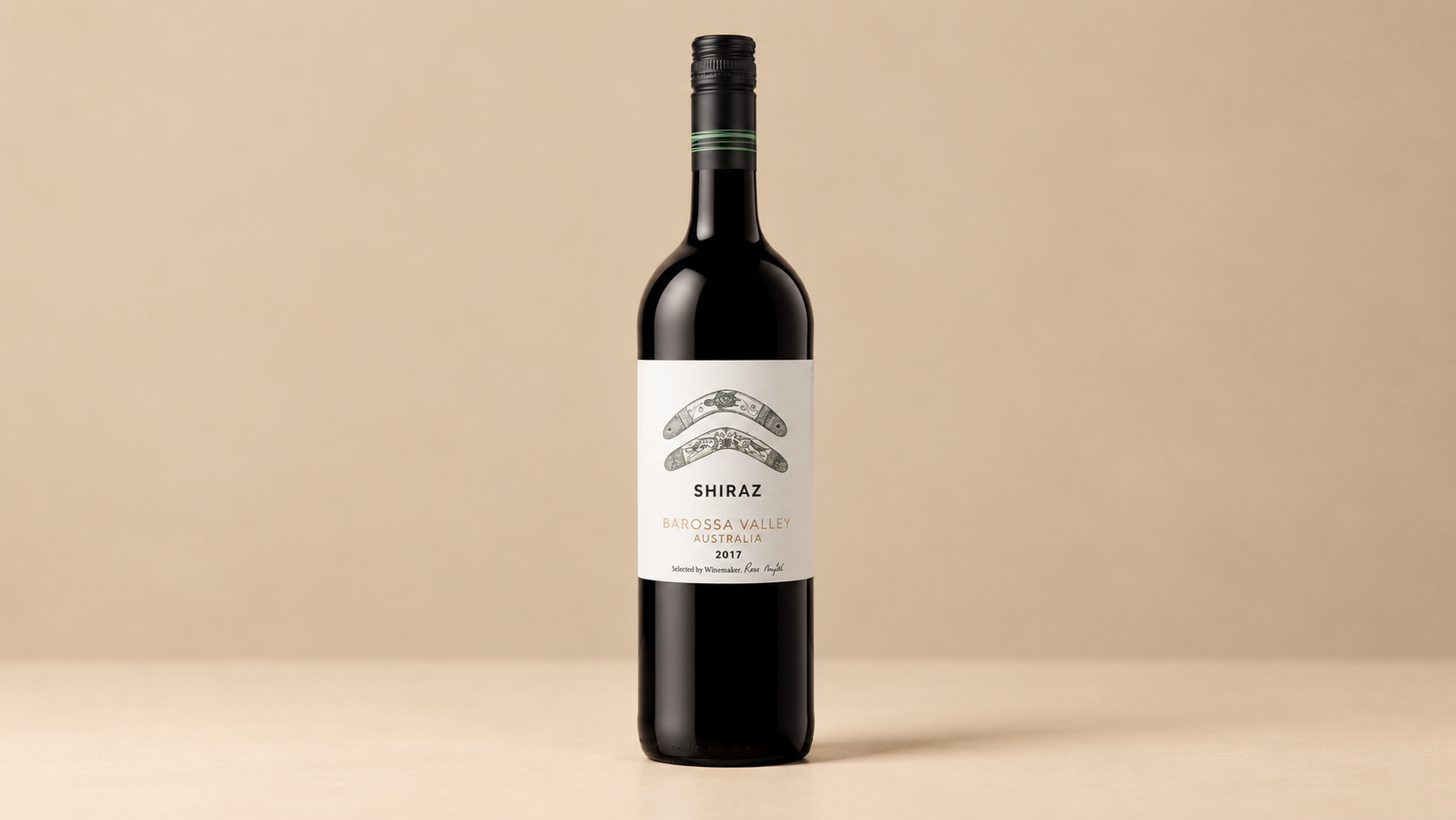
Barossa Valley & Eden Valley (Old Vines & Bold Flavours): Located an hour northeast of Adelaide, the warm Barossa Valley is Australia's spiritual home for bold reds. Its iron-rich soils yield world-famous Barossa Shiraz unapologetically rich, brimming with dark plum, cocoa, black pepper, and supple tannins. Higher up, the cooler Eden Valley provides a crisp counterpoint, specializing in bone-dry Riesling bursting with lime juice, jasmine, and remarkable aging potential.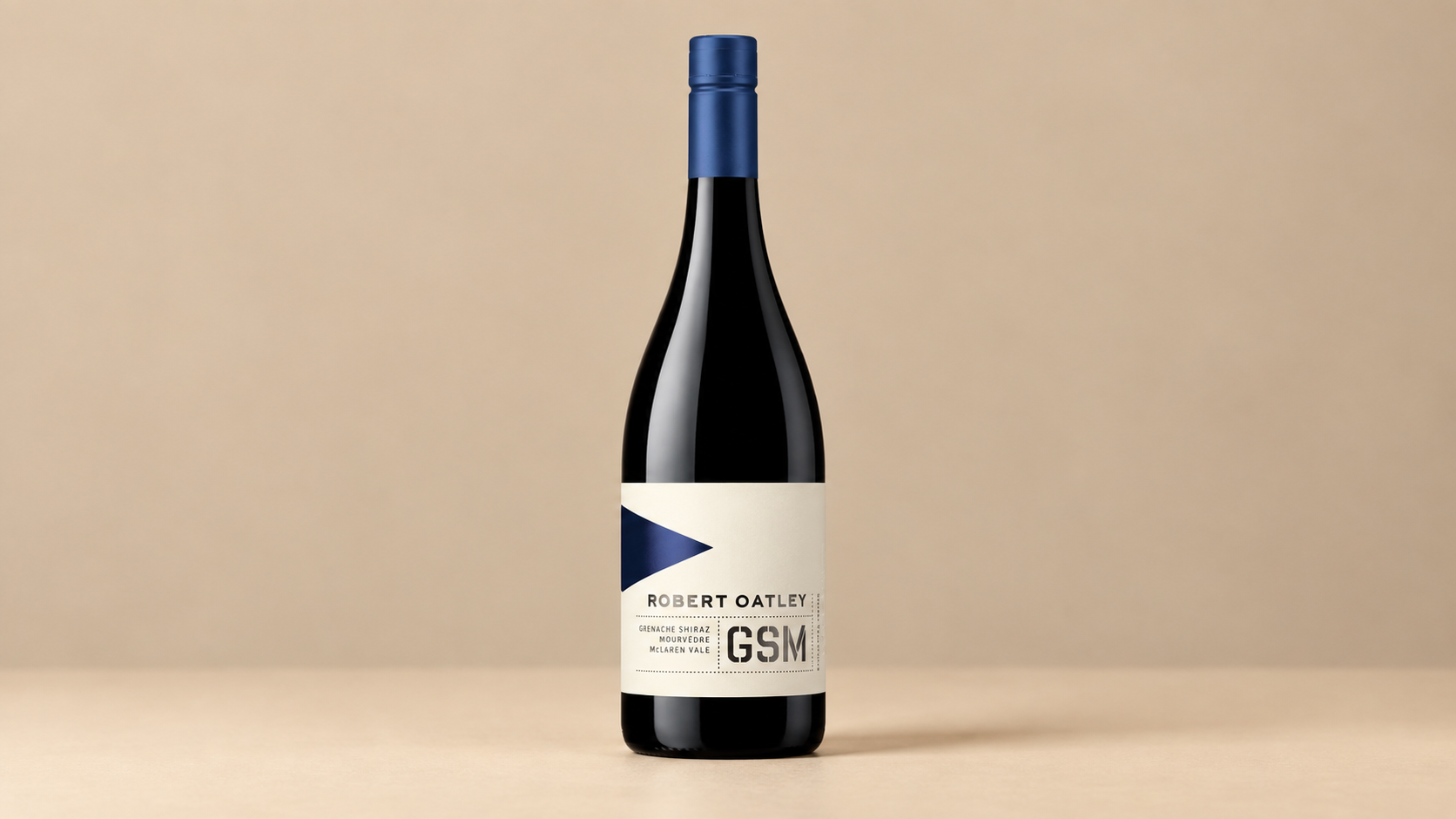
McLaren Vale (Coastal Elegance): Framed by the Gulf St Vincent, McLaren Vale balances warm days with cooling ocean breezes. While Shiraz thrives here with a dark-chocolate edge, the region's modern stars are historic Grenache vines planted in the 1920s and 30s. They deliver aromatic red-fruit expressions loaded with raspberry, spice, and silk-like structure.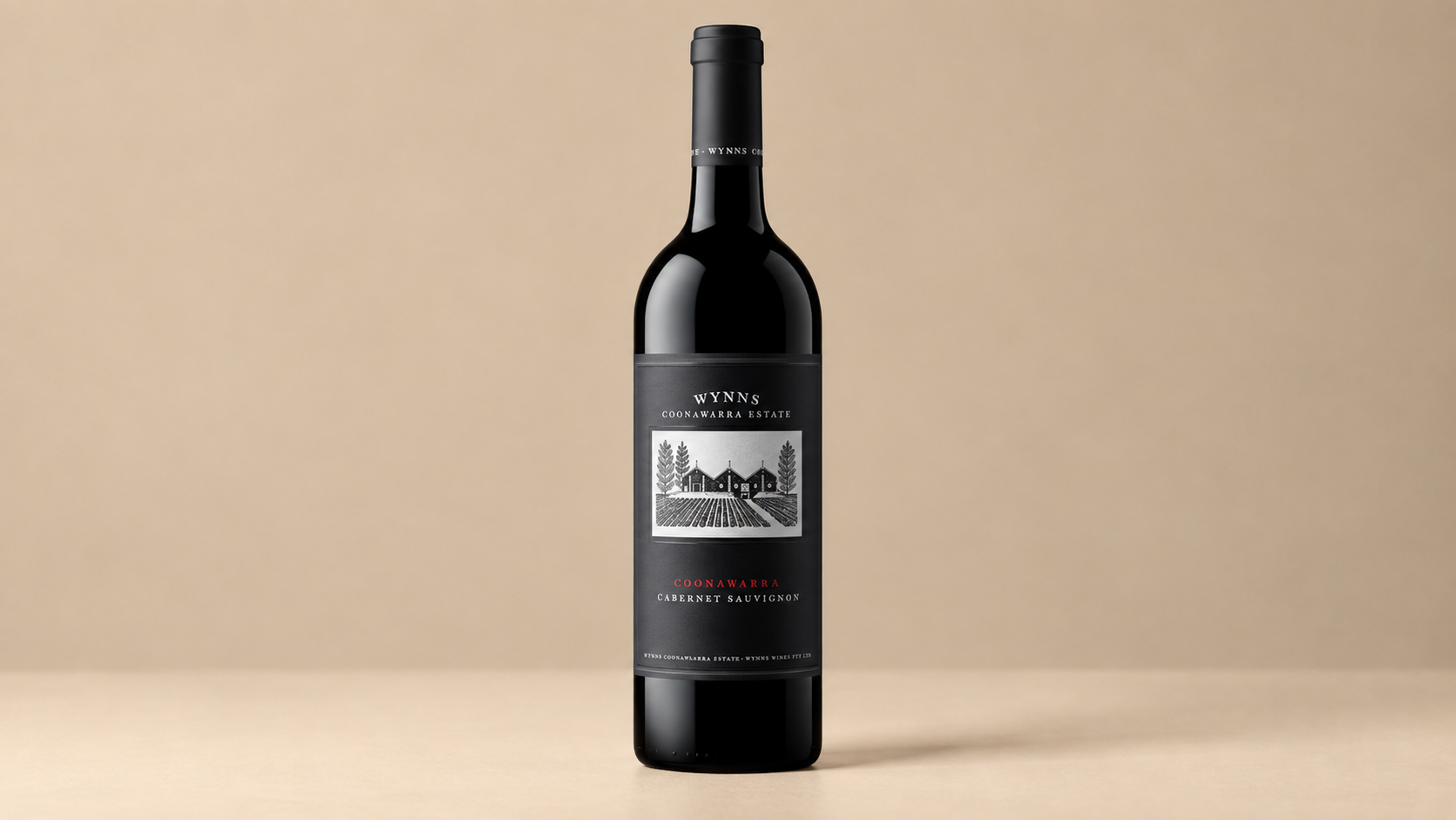
Clare Valley & Coonawarra (Terroir Precision): Clare Valley's dramatic temperature swings craft laser-focused, citrus-packed Rieslings. Further south, Coonawarra sits on a famous strip of bright red soil over limestone called Terra Rossa, producing age-worthy Cabernet Sauvignon filled with cassis, cedar, and distinct minty eucalyptus notes.
Heading east into Victoria brings a dramatic shift in profile. Maritime breezes, alpine foothills, and cooler mesoclimates favours delicate, nuanced winemaking that rivals classic European styles.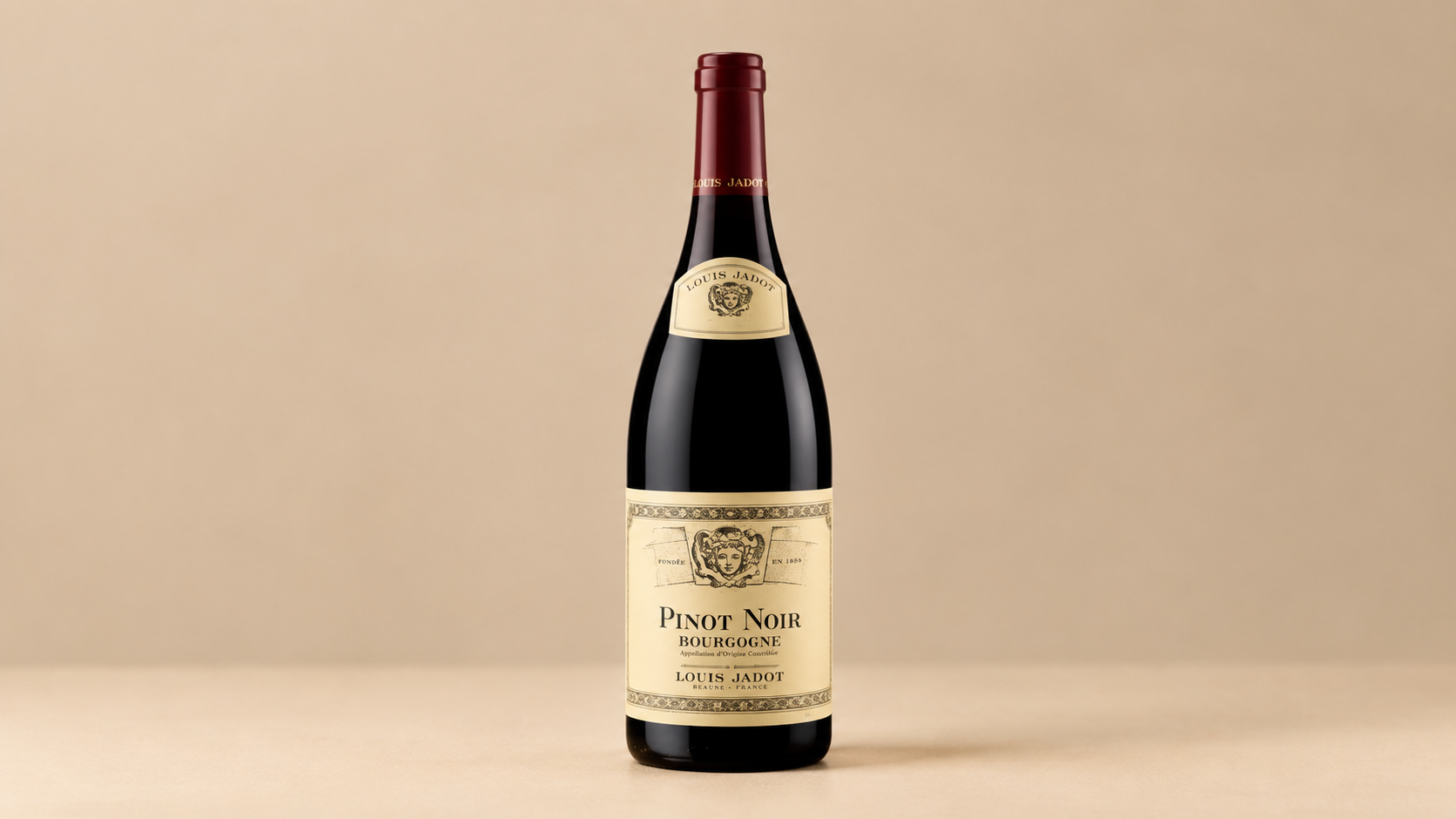
Separated from the rest of the country by thousands of kilometres of desert, Western Australia produces under 5% of the nation’s wine by volume yet commands a massive share of its fine wine accolades.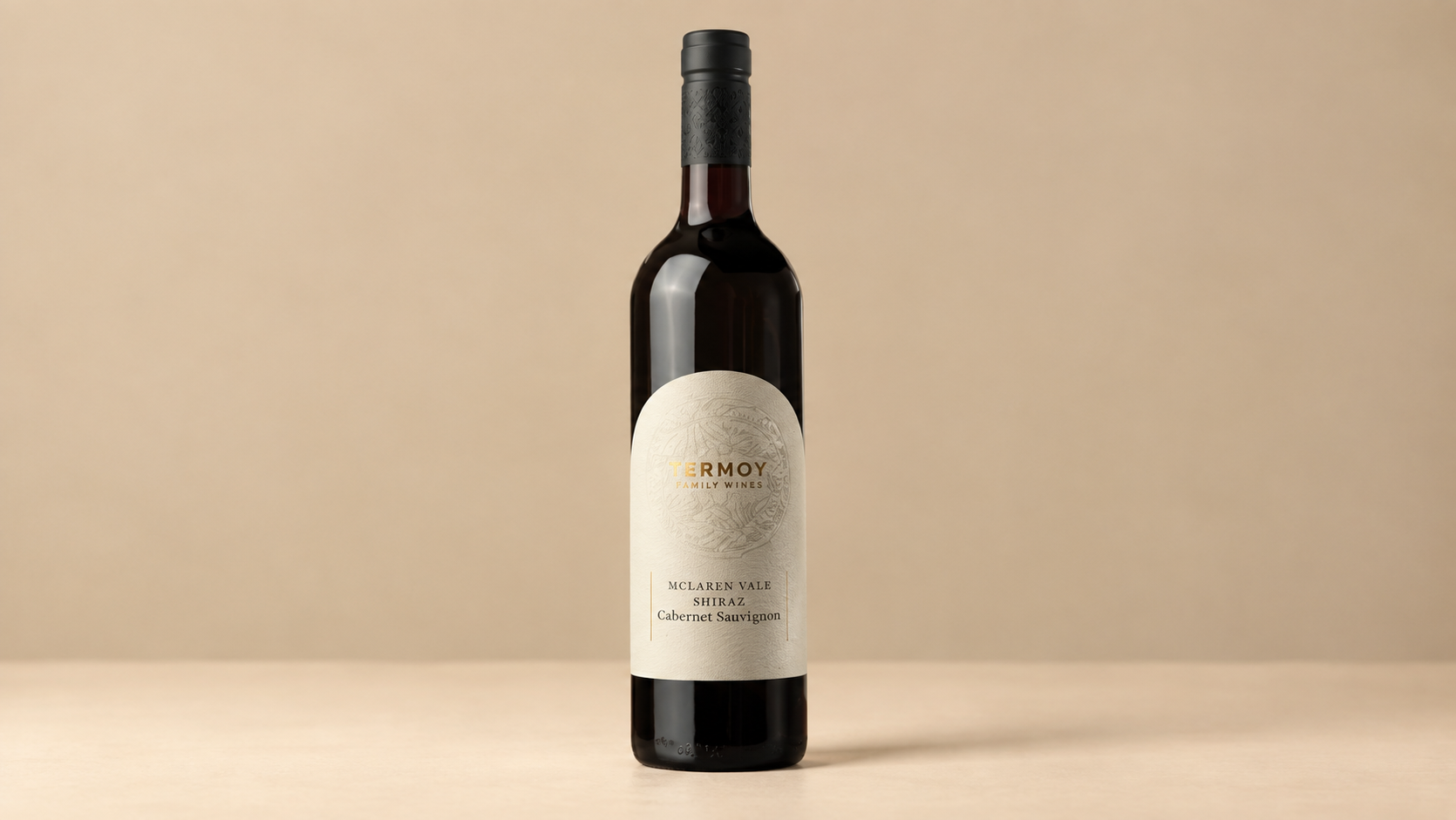
Surrounded on three sides by the Indian and Southern Oceans, Margaret River enjoys a pristine Mediterranean climate closely resembling Bordeaux. Since its first commercial plantings in the late 1960s, the region has gained global renown for:
Cabernet Sauvignon: Elegant, well-structured reds displaying blackcurrant, graphite, and fine-grained tannins.
Chardonnay: Complex, powerful whites with intense citrus, grapefruit, nuttiness, and bright acidity.
SSB Blends: Crisp, aromatic blends of Sauvignon Blanc and Semillon.
| Hunter Valley Semillon (New South Wales) | Young: Crisp, light, citrus-forward. |
| Aged (10+ yrs): Rich, buttered toast, honey. | |
| Tasmanian Sparkling (Tasmania) | Made via traditional method (Chardonnay/Pinot) |
| Crisp green apple, brioche, razor-sharp acidity |
Hunter Valley: North of Sydney lies Australia’s oldest continuous wine region (planted in the 1820s). It produces a true anomaly: Hunter Valley Semillon. Picked early with low sugar levels, young Hunter Semillon is light and citrusy. But give it 10 to 20 years in the bottle, and it magically transforms into a rich, complex golden elixir dripping with buttered toast and honey all without touching an oak barrel.
Tasmania: As Australia’s southernmost state, Tasmania features the country’s coldest wine-growing conditions. The island has emerged as a premier region for traditional-method Sparkling Wines featuring crisp acidity and toasted brioche tones that rival non-vintage Champagne.
Beyond regions and grape varieties, Australian wine culture stands out on the global stage because of three key philosophies:
1. Innovation Over Dogma
Australian winemakers were early adopters of stainless-steel temperature control and precision irrigation. In 2000, Clare Valley winemakers famously led the movement to adopt screwcaps (Stelvin closures) over natural cork for fine wines, forever changing bottle consistency worldwide.
2. Blending Without Boundaries
Unbound by strict European appellation laws, Aussie winemakers love creative experimentation. The iconic Shiraz-Cabernet Sauvignon blend combining the mid-palate plushness of Shiraz with the structural backbone of Cabernet is a uniquely Australian classic.
3. The Cellar Door Lifestyle
Wine culture here is approachable and deeply integrated into weekend life. Visiting a "Cellar Door" (onsite tasting room) isn't stuffy it’s about enjoying local vintages alongside artisan cheeses, wood-fired pizzas, and live music with views of the vines.
| RegionPrimary StateSignature VarietiesKey Flavour Profile | |||
|---|---|---|---|
| Barossa Valley | South Australia | Shiraz, Grenache, GSM | Bold, dark plum, black pepper, rich oak |
| Clare Valley | South Australia | Dry Riesling | Crisp, lime, minerality, high natural acidity |
| Coonawarra | South Australia | Cabernet Sauvignon | Blackcurrant, eucalyptus, cedar, structured tannins |
| Yarra Valley | Victoria | Pinot Noir, Chardonnay | Elegant red fruit, stone fruit, restrained oak |
| Margaret River | Western Australia | Cabernet Sauvignon, Chardonnay | Bordeaux-style elegance, cassis, rich citrus |
| Hunter Valley | New South Wales | Aged Semillon, Shiraz | Low alcohol when young, transforms to honey & toast |
| Tasmania | Tasmania | Sparkling, Pinot Noir | High acidity, brioche, crisp green apple |
Looking to explore more world wines or fine spirits? Check out our latest tasting guides and distillery reviews on Wine Whisky World!