Sun, Soils & Stelvin: Inside Australia’s Bold Wine Culture
2026-09-15
.png)
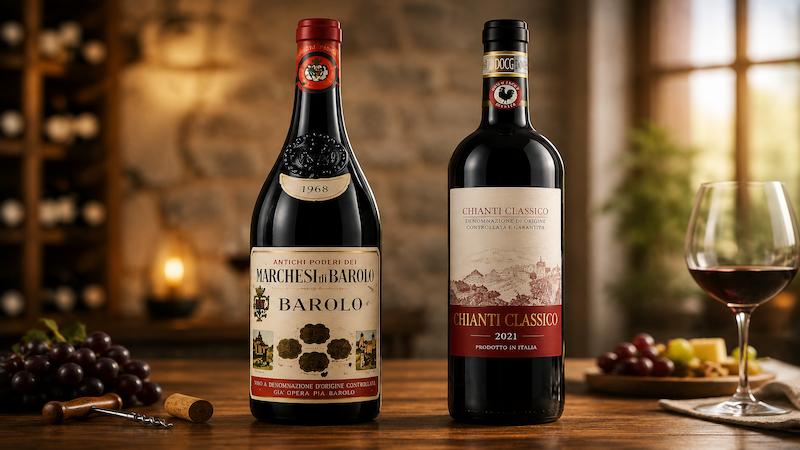
Reserve wine is not always a guarantee of superior quality. In Spain and Italy, terms such as Reserva and Riserva have legally defined aging requirements, while New World countries generally leave “Reserve” unregulated. Regular wines offer fresh, fruit-forward flavors, whereas genuine Reserve wines typically provide greater complexity, oak influence, and aging potential.
You are standing in the wine aisle, eyes scanning the shelves for the perfect bottle to pair with tonight’s dinner. Your gaze catches two bottles from the same producer, featuring identical grape varieties. One is labelled with the standard estate branding and costs ₹1,500. The other boldly declares "Reserve" in elegant gold foil and demands ₹3,500.
Is that "Reserve" label a guarantee of superior quality, or is it merely a clever marketing tactic designed to empty your wallet?
Here at WineWhiskyWorld, we believe an educated palate is the best palate. To truly understand the difference between reserve wine and regular wine, we have to look past the label and dive into the cellar, the laws, and the rich history of winemaking itself.
The concept of a reserve wine was born out of simple necessity and artisan pride. Historically, winemakers would taste through their barrels as the wine aged. Occasionally, they would stumble upon a barrel that was exceptionally balanced, complex, or vibrant usually the result of a spectacular growing season or grapes harvested from a particularly old, low-yielding vineyard.
Instead of blending this exceptional wine with the rest of the year's yield to make their standard "regular" wine, the winemaker would literally reserve it. They would hold these barrels back, age them longer to let the flavors deepen, and keep them for private family consumption, special guests, or premium buyers.
Today, that tradition continues, but the modern wine industry has complicated the term. Whether "Reserve" actually means anything depends entirely on where the wine was made.
In the "Old World" of wine primarily traditional European winemaking countries like Spain and Italy words on a wine label are strictly regulated by government bodies. In these regions, a reserve designation is a legal guarantee of how the wine was handled in the cellar.
Spain, particularly the Rioja and Ribera del Duero regions, boasts the strictest definitions of reserve wines in the world.
Crianza (Regular): The entry-level aged wine. In Rioja, it must be aged for a total of two years, with at least one year in oak barrels.
Reserva: This wine must be aged for a minimum of three years, with at least one year in oak barrels and the rest in the bottle before release. Winemakers only use grapes from better vintages for Reserva.
Gran Reserva: The pinnacle of Spanish aging. These wines require a staggering five years of aging at least two years in oak and three in the bottle. They are only produced in exceptional vintage years.
Italy follows a similar, highly regulated path with its Riserva wines. The exact rules vary by specific region (Appellation), but they always mandate a longer aging process and often a higher minimum alcohol content.
In Chianti Classico, a regular Chianti can be released relatively young, but a Chianti Classico Riserva must be aged for a minimum of 24 months, including three months in the bottle.
In Piedmont, a standard Barolo requires 38 months of aging. A Barolo Riserva, however, demands a massive 62 months of aging before it can legally hit the shelves.
The New World: The Wild West of Wine Labels
If you pick up a bottle of wine from the United States, Australia, Chile, or New Zealand, the rules change entirely. In the "New World," there is no legal definition for the word "Reserve."
Because the government does not regulate the term, a New World winery can legally slap "Reserve," "Grand Reserve," "Vintner's Reserve," or "Family Reserve" on any bottle they choose, regardless of how it was made or how long it was aged.
Does this mean New World reserve wines are a scam? Not at all.
Reputable wineries use the term strictly to denote their top-tier offerings. For a quality California or Australian producer, their Reserve wine usually represents:
Superior Fruit: Grapes sourced from their best vineyard blocks.
Expensive Oak: Aging in brand-new French oak barrels (which can cost upwards of ₹80,000 each) rather than older, neutral oak or stainless steel.
Extended Aging: More time in the barrel to soften the tannins and build complex secondary flavors like vanilla, cedar, and baking spices.
However, because it isn't regulated, mass-market corporate wine brands will sometimes use "Reserve" on entry-level, industrially produced wines simply to make them sound more prestigious. When buying New World wines, you are trusting the reputation of the producer, not a legal standard.
|
Region |
Term |
Legal Meaning |
What to Expect |
|---|---|---|---|
|
Spain (Rioja) |
Reserva |
Min. 3 years aging (1 year in oak). |
Complex, developed notes of leather, dried fruit, and tobacco. |
|
Italy (Chianti) |
Riserva |
Min. 24 months aging. |
Deep cherry flavors, integrated tannins, and earthy spice. |
|
USA / Australia |
Reserve |
No legal definition. |
Usually the producer's highest quality, most heavily oaked wine. |
With all this talk of aging and premium barrels, it is easy to assume that "regular" (often called "estate" or "village") wine is inferior. This is a massive misconception.
Regular wines are simply crafted with a different goal in mind: immediate enjoyment.
Standard bottlings see less time in oak and less time aging in the cellar. As a result, they are driven by fresh, primary fruit flavors. A regular Cabernet Sauvignon will burst with bright blackberry and plum, while a Reserve Cabernet from the same producer will trade some of that fresh fruit for heavier tannins and deep notes of espresso, cedar, and leather.
Furthermore, Reserve wines are often tightly wound and highly tannic when young. They need to sit in your wine fridge or cellar for another 5 to 10 years before they reach their peak. Regular wines are bottled ready to pop, pour, and enjoy on a Tuesday night.
Choosing between a regular and a reserve wine comes down to two things: what you are eating, and how much patience you have.
If you are hosting a casual backyard barbecue or ordering a mid-week pizza, a regular, fruit-forward wine is actually the superior choice. Its bright acidity and fresh flavors won't overpower the food.
However, if you are celebrating a milestone anniversary, serving a rich, heavily marbled ribeye steak, or looking for a bottle to lay down in your cellar for the next decade, that is when you reach for the gold foil. A true Reserve wine offers a depth, complexity, and lingering finish that a standard bottling simply cannot achieve.
Next time you are navigating the wine aisle, you will know exactly what you are paying for and whether the bottle inside is holding onto history, or just holding onto a clever label.

_1770271409.jpg)