_1791373737.jpg)
Raising a Glass: The Fascinating History and Global Traditions of Saying "Cheers"
2026-10-07
.png)
_1792388153.webp)
Campari is an iconic Italian bitter apéritif known for its crimson colour, complex herbal flavour, and bold bitterness. Originating in 1860, it forms the base of classic cocktails like the Negroni, Americano, and Boulevardier. Learn about Campari’s history, secret ingredients, flavour profile, alcohol content, and essential cocktail recipes.
With its striking crimson hue and unapologetically bitter flavour, Campari is one of the most recognizable spirits on the planet. For over 160 years, this Italian apéritif has been the cornerstone of classic cocktail culture, driving iconic drinks like the Negroni, Americano, and Boulevardier.
Whether you are a seasoned cocktail enthusiast or looking to expand your palate beyond sweet and fruity drinks, understanding Campari is essential. Here is the definitive guide to Campari its history, secret recipe, distinct flavour profile, and how to mix it like a professional bartender.
Campari’s origins trace back to 1860, when master drink maker Gaspare Campari created his proprietary bitter liqueur in Novara, Italy.
In 1867, Gaspare opened the famous Caffè Campari in Milan's grand Galleria Vittorio Emanuele II. The bar quickly became the gathering place for Milanese artists, intellectuals, and aristocracy, establishing Campari as a symbol of sophisticated Italian aperitivo culture.
First production plant opens in Sesto San Giovanni
1919 The Negroni is born in Florence using Campari as its core
Campari belongs to the family of amari (bitter liqueurs) and is bottled at 20.5%–28% ABV depending on the region (typically 24% ABV in North America and Europe).
To this day, the exact recipe remains a closely guarded secret known only to a tiny circle of directors at the Campari Group. However, the production process involves infusing alcohol and water with a proprietary blend of:
Bitter Herbs & Roots: Including gentian root, cascarilla bark, and rhubarb.
Aromatic Plants: Wild herbs and spices.
Citrus Peels: Bitter chinotto oranges and sweet orange peels.
Campari is notorious for its intense, complex palate that challenges first-time drinkers:
Initial Palate: Bright, sweet orange oil, cherry, and subtle herbal spices.
Mid-Palate: A wave of intense, dry, woody bitterness from herbs and roots.
Finish: Long, warming, and clean with lingering citrus peel and pine-like herbal notes.
Campari and Aperol are often compared because both are vibrant orange-red Italian apéritifs owned by the same company (Campari Group). However, they serve very different roles in cocktails:
|
Feature |
Campari |
Aperol |
|---|---|---|
|
Colour |
Deep Crimson Red |
Bright Neon Orange |
|
Alcohol Content (ABV) |
24% ABV |
11% ABV |
|
Flavour Profile |
Intensely bitter, herbal, dark orange peel |
Sweeter, lighter, gentle orange & rhubarb |
|
Primary Cocktail |
Negroni, Boulevardier, Americano |
Aperol Spritz |
Campari is rarely consumed neat; its bold bitterness thrives when balanced with sweet vermouth, spirits, or citrus. Here are the three non-negotiable cocktails every drinker should know:
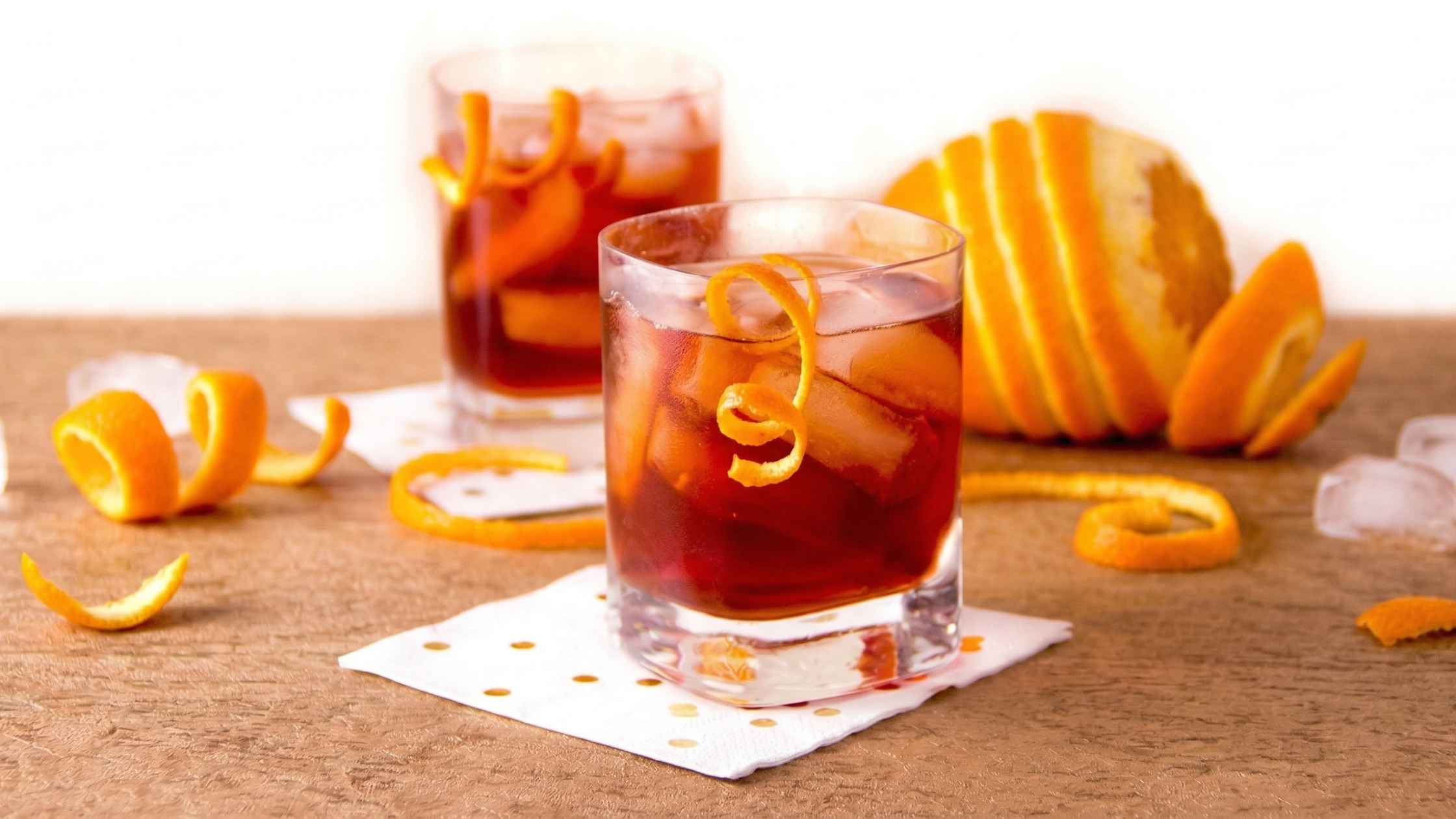
The undisputed king of Campari cocktails, invented in Florence in 1919 when Count Camillo Negroni asked his bartender to strengthen his Americano by swapping soda water for gin.
The direct ancestor of the Negroni, created at Caffè Campari in the 1860s. Light, bubbly, and low-proof.
A rich, warming variation created during the Prohibition era in Paris, swapping gin for bourbon or rye whiskey.
Recipe: 1.5 oz (45 ml) Bourbon or Rye Whiskey, 1 oz (30 ml) Campari, 1 oz (30 ml) Sweet Red Vermouth.
Preparation: Stir with ice and strain into a chilled coupe or rocks glass. Garnish with a cherry or orange twist.
An Acquired Taste Worth Mastering
Bartenders often say it takes three tries to fall in love with Campari. Once your palate adjusts to its sharp bitterness, it unlocks a whole new dimension of cocktail appreciation. Pour yourself a Negroni or an Americano, embrace the bitter bite, and enjoy a true taste of Italian history.