International Wine and Spirit Competition (IWSC): The Prestigious Awards Shaping the Liquor World
2024-07-24
.png)
_1791373737.jpg)
The word “cheers” has a long history connected to goodwill, health, and celebration. Clinking glasses has been linked to ancient beliefs, medieval drinking customs, and social rituals. Around the world, toasting traditions differ, from Kanpai in Japan and Sláinte in Ireland to Prost in Germany and Geonbae in Korea.
Whether you are enjoying a peaty single malt Scotch, a velvety Cabernet Sauvignon, or a cold beer with friends, one ritual almost universally precedes that first sip: raising your glass and offering a toast.
Saying "cheers" is second nature to drinkers worldwide. Yet behind this simple gesture lies a rich history blending ancient superstitions, survival instincts, medieval politics, and a rich tapestry of cultural traditions. Here is the fascinating story behind why we say "cheers" along with what to say and how to drink across different cultures around the globe.
Etymology: From "Face" to "Good Health"
The word cheers stems from the Old French word chiere, which originally meant "face" or "expression." By the 14th century, the term entered Middle English as chere, evolving to mean one's mood or spirit hence the phrase "be of good cheer."
By the late 18th century, English drinkers began calling out "cheers!" as an encouraging expression of goodwill, wishing happiness, health, and good spirits to everyone sharing the table.
Why Do We Clink Glasses?
While the word itself has linguistic roots, the physical act of clinking glasses comes with several intriguing historical explanations:
How to Say "Cheers" Around the World
Different languages carry distinct meanings in their toasts ranging from simple wishes for good health to honour of friendship, victory, and emptying the glass.
|
Country |
Word / Phrase |
Native Script / Spelled |
Pronunciation |
Literal Meaning |
|---|---|---|---|---|
|
Japan |
Kanpai |
乾杯 |
Kahn-pie |
"Empty the cup" |
|
Ireland |
Sláinte |
Sláinte |
Slahn-tshe |
"Health" |
|
Scotland |
Slàinte mhath |
Slàinte mhath |
Slan-jee-vah |
"Good health!" |
|
South Korea |
Geonbae |
건배 |
Gun-bae |
"Empty the glass" |
|
Thailand |
Chon gaeo / Chok dee |
ชนแก้ว / โชคดี |
Chon-gaew / Chok-dee |
"Clink glasses" / "Good luck" |
|
Taiwan |
Yigan / Ganbei |
一乾 / 乾杯 |
Ee-gahn / Gahn-bay |
"Bottoms up!" / "Dry the cup" |
|
France |
Santé / Tchin-Tchin |
Santé / Tchin-Tchin |
Sah-tay / Chin-chin |
"To health" / Clinking sound |
|
Spain |
¡Salud! |
¡Salud! |
Sah-lood |
"Health!" |
|
Germany |
Prost / Zum Wohl |
Prost / Zum Wohl |
Prohst / Tsoom vohl |
"May it be good" / "To your wellbeing" |
Unique Drinking Traditions & Etiquette Across Cultures
While learning the words is straightforward, navigating local drinking etiquette around the world requires knowing a few key customs:
In countries like France and Germany, direct eye contact during a toast is strictly enforced. Looking someone directly in the eyes while saying "Santé" or "Prost" and clinking glasses signifies respect, warmth, and sincerity. Legend has it that failing to make direct eye contact brings seven years of bad luck!
In the Republic of Georgia, drinking wine is a deeply spiritual and cultural experience. Feasts (known as a Supra) are led by a designated toastmaster called a Tamada. The Tamada delivers heartfelt, poetic toasts (Gaumarjos! "Victory to you!") honoring family, history, peace, and ancestors. Drinking before the Tamada finishes a toast or failing to finish your glass afterward is considered bad form.
If you visit Hungary, avoid clinking beer glasses. After the 1848 Hungarian Revolution was suppressed by the Austrian Empire, legend says Austrian leaders celebrated by clinking beer mugs as Hungarian generals were executed. Hungarians vowed never to clink beer glasses for 150 years. Though that timeframe has passed, many locals still refrain from clinking beer steins today.
In Sweden, Denmark, and Norway, the classic toast is Skål (originating from old Norse roots referring to a drinking bowl). The tradition demands that you raise your glass, make direct eye contact with every person at the table, sip your drink, and make eye contact once more before setting your glass down.
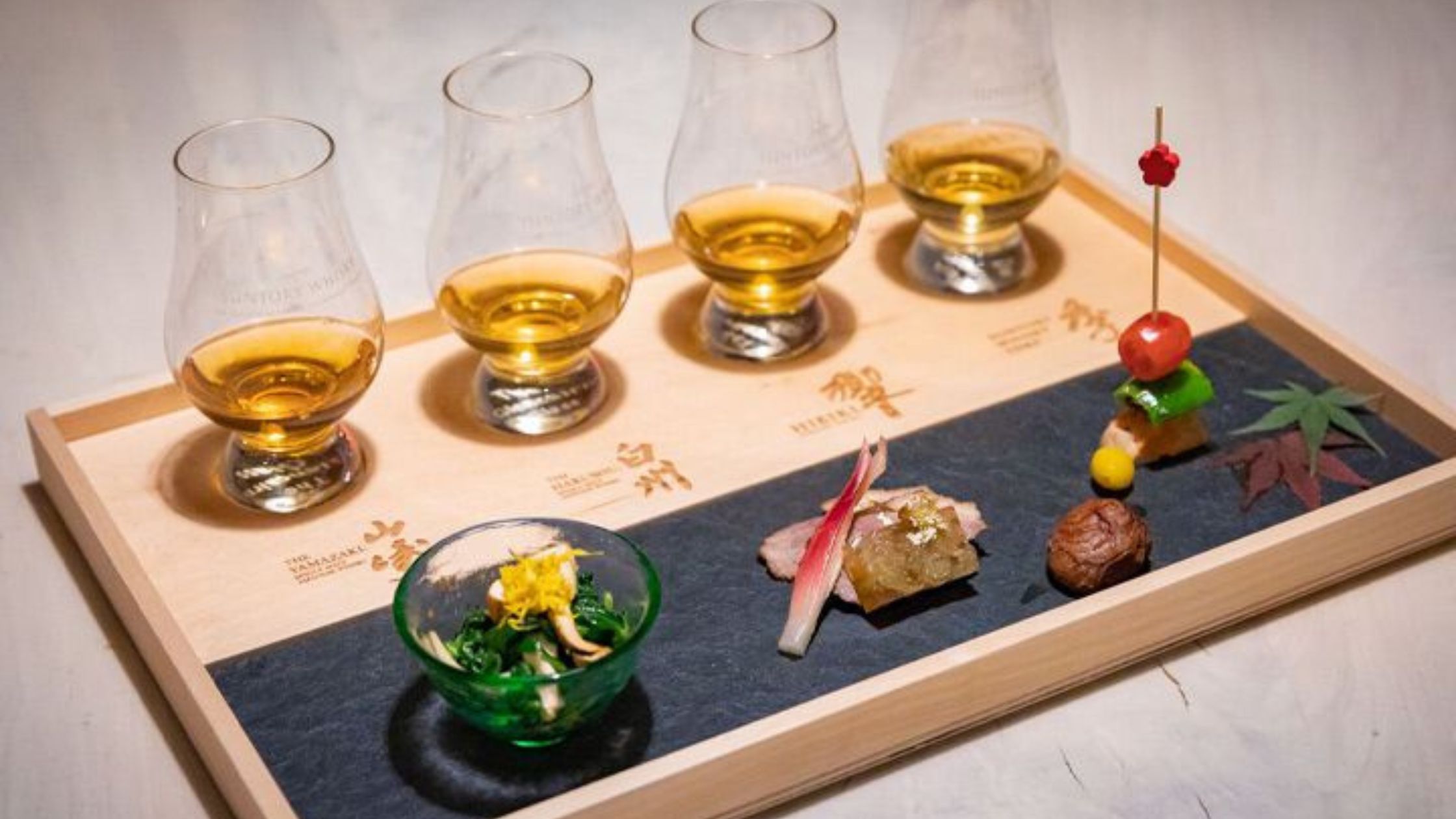
In Japan, drinking is a social bonding ritual (nominication). You should never pour your own drink; instead, let your companion pour for you and reciprocate by filling their glass. Raise your glass with both hands when receiving a pour. Once everyone is filled, raise your glass and shout "Kanpai!"
In both Ireland and Scotland, drinking culture centres on warmth, storytelling, and hospitality:
In South Korea, saying "Geonbae!" (건배) comes with distinct social protocols when drinking with elders or colleagues:
In Thailand, toasts are casual, warm, and highly social. The most common phrase is "Chon gaeo!" (literally "clink glasses!"). You will also frequently hear "Chok dee!" which translates to "Good luck!" It is common for Thais to keep glasses filled with ice and beer or spirits throughout the evening.
Taiwanese drinking culture revolves around generous toasts at formal dinners, weddings, and business gatherings. While "Ganbei!" means "dry the cup," you will often hear "Yigan!" (一乾), which translates to "bottoms up in one go!" When a host or colleague raises a glass for a toast, finishing your glass completely demonstrates respect and camaraderie.
Whether you are enjoying a fine single malt whisky, sharing a craft beer, or tasting wine among good company, saying "cheers" is far more than a simple habit. It is a timeless gesture that bridges centuries of history, honours local traditions, and brings people together.
The next time you pour your favourite dram, take a moment to look your companions in the eye, raise your glass, and join a global tradition. Slàinte mhath!