Beer Growth Bubbles Up on Premium Demand: How India’s Tier-2 Cities are Driving the Alcobev Boom
2026-09-21
.png)
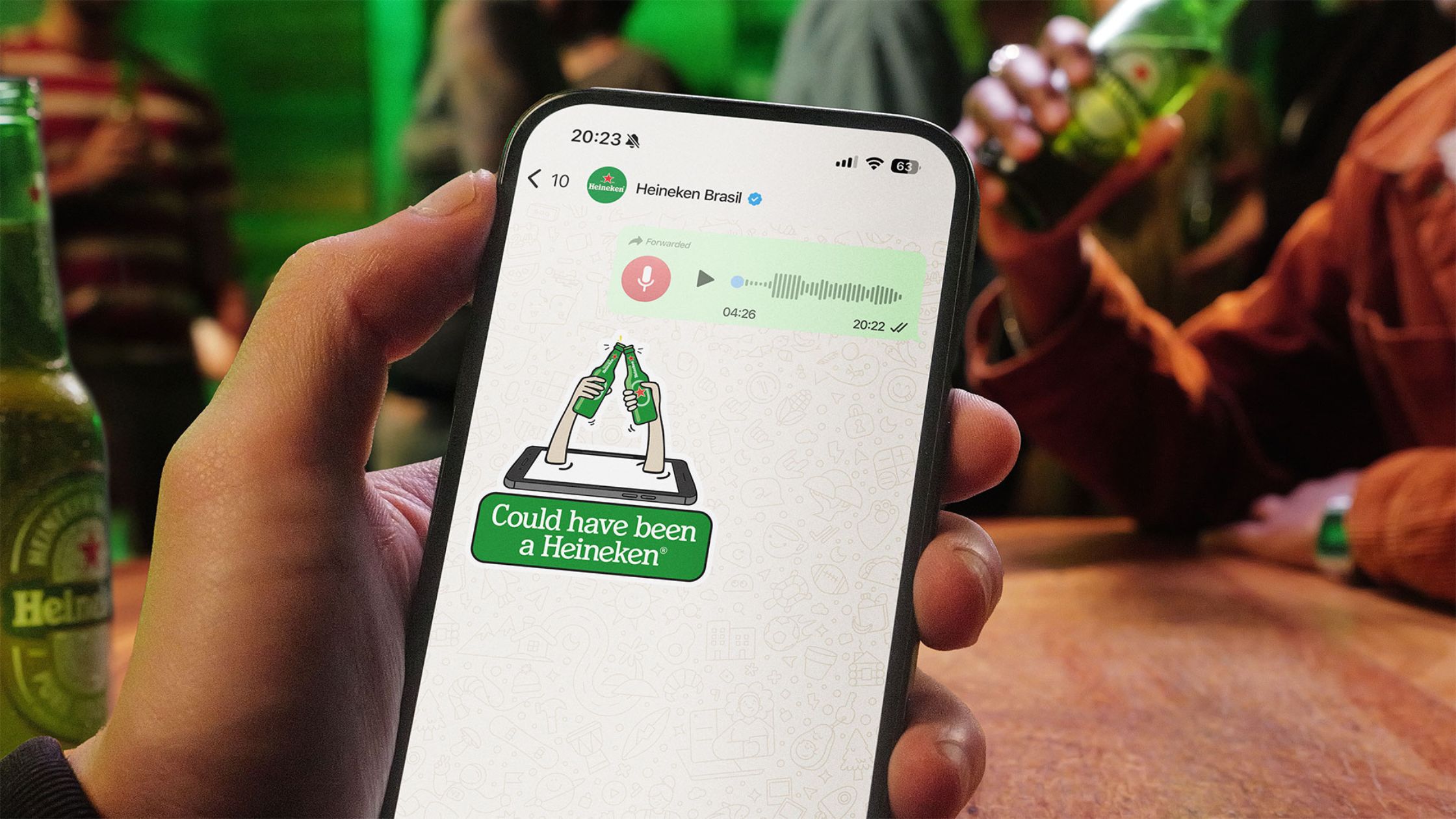
In the current digital communication landscape, voice notes are one of the most powerful mediums. People continue to use voice notes as their primary means of carrying on a conversation with friends and family (or business partners) as an audio recording versus talking face-to-face with someone. The rise of voice notes has also brought new challenges to interpersonal communication as people are increasingly stepping away from in-person conversations. Heineken was able to recognize the impact of this shift on in-person meetups and create a chatbot that encourages people to meet for a drink.
So, how does this chatbot operate? What is Heineken's rationale for developing a tech-based solution to the growing disconnect in communications? Let's look at how this system works.
Heineken has launched a new pilot digital initiative on WhatsApp called the "Could Have Been a Heineken" chatbot, which hopes to encourage less excessive use of voice notes and more in-person socializing.
Instead of encouraging even more time spent on your devices, the Chatbot does the opposite. It recognizes voice notes that are too long, specifically voice notes longer than three minutes, and it then promotes the idea that users should meet face-to-face to discuss things together rather than through an electronic device. Heineken provides a free beer voucher for the user in exchange for this initiative, and the chatbot also provides suggestions for local bars where friends can meet up and have a drink together.
While there is a heavy reliance on technology in this instance, Heineken wants to use the technology to encourage offline interaction and not replace it.
Voice notes are no longer quick updates. According to global data insights:
While voice notes are convenient, they are also changing how people define “catching up.”
Heineken’s global research, conducted across 14,000+ respondents worldwide - revealed some concerning trends:
For a brand historically built around shared social moments, pubs, bars, and real-life gatherings, this shift presented a cultural challenge worth addressing.
The process is intentionally simple and user-friendly.
The concept is playful, non-judgmental, and rooted in humor, making it feel more like a social nudge than a lecture.
As of December 2025, the chatbot has been launched as a pilot program in Brazil, and the choice was data-driven.
According to official data from Meta:
This made Brazil the perfect testing ground for a campaign that challenges excessive audio messaging while respecting local communication habits.
While the chatbot is undeniably a brand campaign, it stands out because it doesn’t push consumption directly.
Heineken positions itself not just as a beer brand, but as a social facilitator - someone who understands how people connect today and gently nudges them toward better, richer interactions.
The success of initiatives like this highlights a larger cultural truth:
Heineken’s chatbot taps into growing digital exhaustion and a renewed desire for authentic, offline experiences, especially among Millennials and Gen Z.
If the pilot proves successful in Brazil, expansion to markets like India is highly likely.
Why India makes sense:
A localized Indian version could integrate:
Read also: Karnataka Plans Major Alcohol Policy Changes: More Home Storage, Bars on Beaches
Heineken's 'Could Have Been A Heineken' WhatsApp Chatbot demonstrates how brands can use technology to support people to move away from excessive social media use. Instead of continuing the cycle of endlessly sharing long voice notes, Heineken encourages people to get back together and connect with each other in real life, while also rewarding them with a beer for doing so, therefore providing a modern, relevant, and human approach to socialization.
The success of this initiative could lead to other brands re-evaluating their use of digital tools, both for communicating and for reconnecting.