Beer Growth Bubbles Up on Premium Demand: How India’s Tier-2 Cities are Driving the Alcobev Boom
2026-09-21
.png)
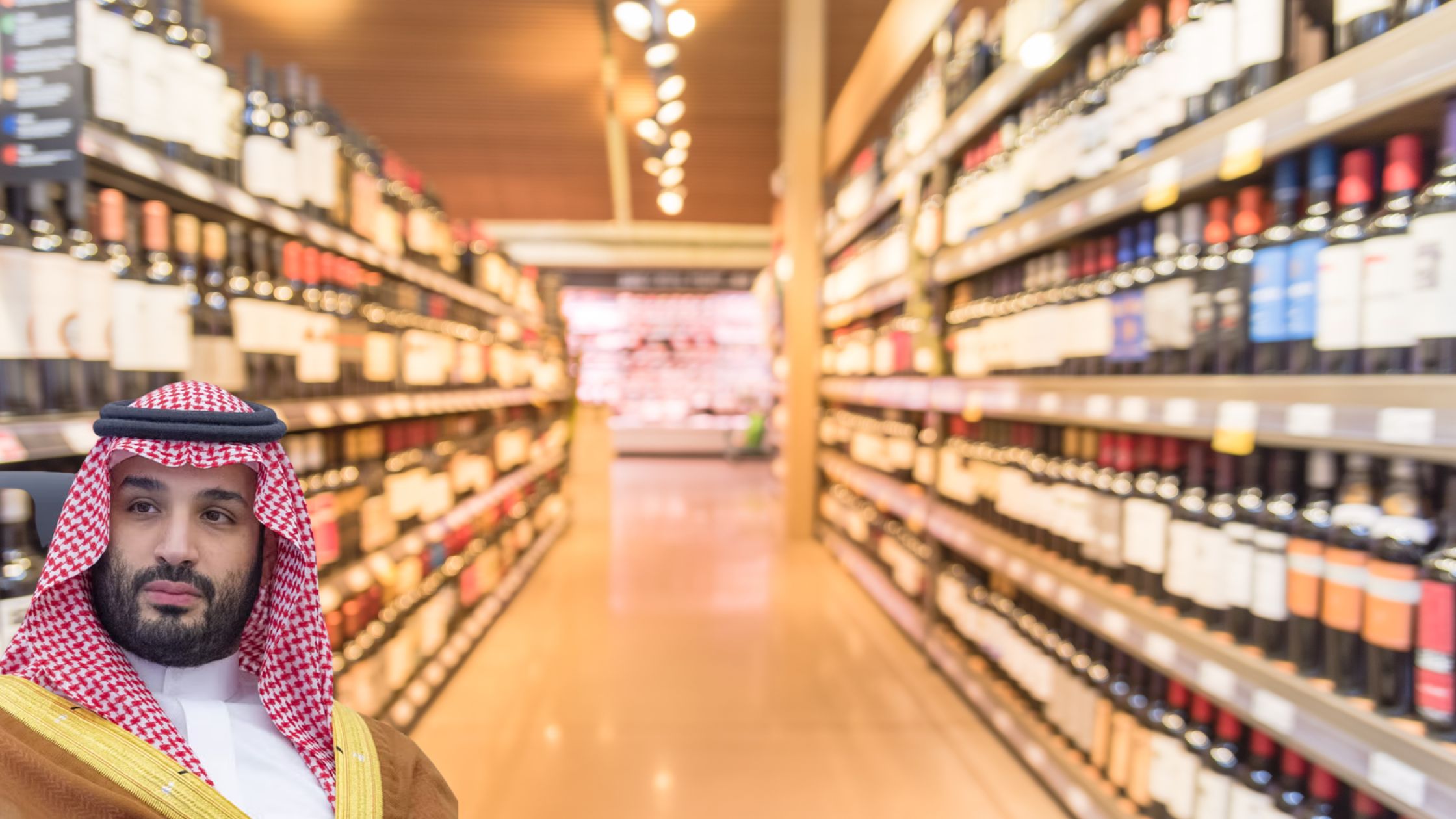
After a time of change brought upon by Vision 2030, Saudi Arabia will allow, for the first time in history, all non-Muslim expats to buy alcoholic beverages legally within its borders, but with a very limited scope and under strict eligibility and approval processes that make it virtually impossible for abuse. The primary intent of this legislation is to meet the goals of Vision 2030 and promote global talent attraction and development, while maintaining and respecting the religious values of the Kingdom.
This guide will detail all of the information you need to understand the eligibility requirements, how to obtain permission to purchase alcohol, and any restrictions related to purchasing alcohol as a non-Muslim expat living in Saudi Arabia.
Over the last several years, Saudi Arabia has undergone a transformation of their social and economic reality. Allowing females to operate a motor vehicle, allowing for recreational zones, and creating an environment for international activities all represent changes to the nation.
The allowance of limited access to alcoholic beverages is also part of the transformation but is being introduced gradually and cautiously by the Saudi government. The goal is simple:
This new alcohol policy is designed for a very narrow group, not the general public.
Only two groups qualify:
These are people with Saudi Arabia’s long-term, high-status “Golden Visa”–type residency. They’re usually:
If they’re non-Muslim, they’re eligible.
If you’re not a premium resident, you can still qualify - but only if you earn at least:
(Approximately $13,300 USD)
This is intentionally high to ensure that only affluent, well-documented residents have access.
At the store entrance, buyers must show:
Only after verification are they allowed inside.
Think of it as a fully supervised, appointment-style purchase rather than a casual shopping trip.
This app is mandatory. On it, buyers must upload:
Once everything is verified, the system assigns the user a monthly purchasing quota.
You can’t walk in and buy as much as you want. Each account has a strict monthly limit.
Before leaving, bags and receipts are checked to prevent resale or misuse.
This entire system is designed to stop:
As of now, there is only one location:
This store originally served diplomats but now extends access to eligible non-Muslim residents.
Saudi authorities are planning additional controlled stores in:
Expected rollout: 2026
These will also be tightly restricted, likely inside diplomatic/expat zones.
The selection is intentionally limited. The goal is access, not open commercial alcohol trade.
Allowed categories include:
Don’t expect supermarket-style variety or premium, free-flowing stock. Inventory will likely rotate based on import controls and monitoring.
Every eligible buyer gets a hard monthly quota, typically:
12 to 24 bottles per month
The exact allocation depends on residency status and app approval.
This quota is designed to:
Exceeding your limit is impossible because the app and store system are fully synced.
Saudi Arabia has zero tolerance for alcohol misuse or unapproved possession. Penalties for breaking the rules can include:
Even a minor attempt to bypass quotas or help someone else gain access can lead to consequences.
Saudi Arabia’s approach is still the strictest in the Gulf. For example:
Saudi Arabia, however, is maintaining a highly restricted, documentation-heavy, no-public-consumption model.
This ensures modernization without cultural conflict.
Positive Impact
Still Controlled
Saudi Arabia is opening the door, not swinging it wide.
|
Category |
Details |
|
Who can buy? |
Non-Muslim premium residents or those earning ≥ 50,000 SAR monthly |
|
Where? |
One controlled store in Riyadh’s Diplomatic Quarter |
|
How to register? |
Mandatory app + income proof + biometric verification |
|
Monthly quota |
12–24 bottles |
|
Allowed products |
Wine, beer, limited spirits |
|
Penalties for violations |
Legal action, deportation, residency cancellation |
|
Expansion |
Stores planned for Jeddah & Dammam in 2026 |
Saudi Arabia's new law regarding alcohol is one of the most transformative but still somewhat conservative social changes to take place there in many years. However, it does not represent a complete overhaul of how alcohol is treated across the Kingdom; it simply opens up limited access to certain non-Muslims living in the country who are able to meet specific residency and income regulations.
As this change aligns with the Kingdom's ongoing modernization efforts, it also respects the traditional values of the Kingdom. For those expatriates who qualify under the rules, this will provide a means of legally obtaining alcohol through a well-regulated, dependable source; and as long as all of the stated guidelines are adhered to without exception, then reaching this goal should be accomplished.
Read also: Diageo Introduces AI-Crafted Johnnie Walker ‘1 of 1’ Bottles Exclusively for Dubai Duty Free
No. The law applies ONLY to non-Muslim foreign residents who meet eligibility conditions.
No. Alcohol is not served publicly anywhere in the kingdom.
No. Only those with premium residency or those earning at least 50,000 SAR monthly.
No. The app-controlled system locks purchases once you reach your limit.
No. This rule does not apply to tourists or short-term visitors.
Reselling is a serious offense that can lead to deportation and legal charges.
Authorities have plans for controlled expansion to Jeddah and Dammam in 2026.