Sun, Soils & Stelvin: Inside Australia’s Bold Wine Culture
2026-09-15
.png)
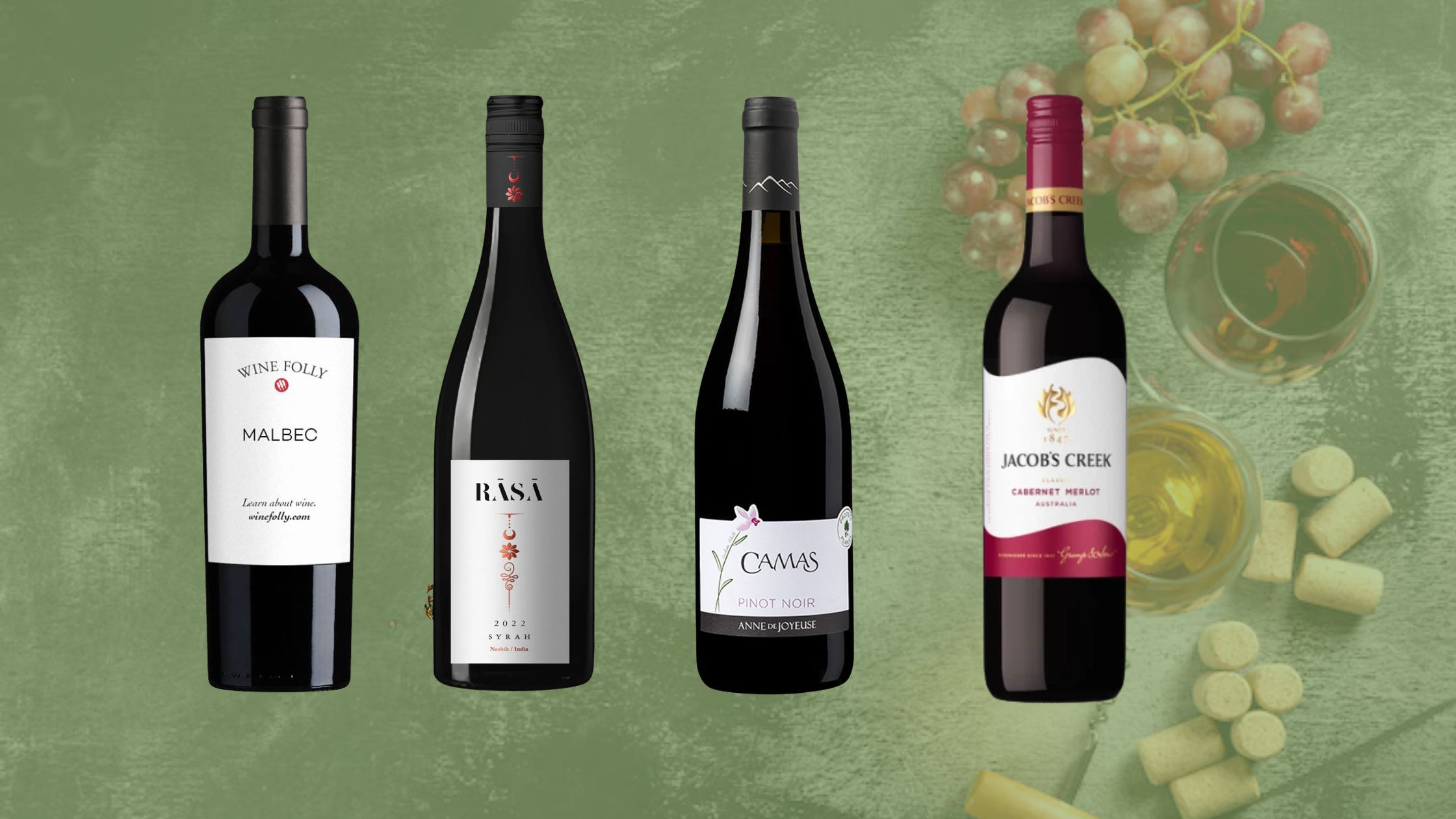
An in-depth guide to understanding what truly sets each red wine apart.
Red wine isn't merely something that you drink from a glass; it provides an entire sensory experience through its unique language of terroir, climate, varietal DNA, vinification, and centuries of cultural influence. When you have tasted a soft, fruity Merlot versus a big, spicy, powerful Shiraz, there are distinct profiles created by each grape variety.
This guide will help you to understand which types of red wines have the most distinct flavour profiles, what gives them their respective flavours, and how you can be a wine expert and appreciate them for what they are. Whether you are starting to be interested in red wines as a beginner or want to expand your tasting skills, this in-depth guide will give you the tools to navigate the wonderful world of red wines confidently and competently.
Before diving into wine types, it's important to understand why each wine develops its signature flavor profile. These factors shape everything in the glass:
Each grape has a natural chemical composition - with varying tannins, sugars, acids, and aromatic compounds - that directly influences flavor.
Warm climates produce richer, fruitier wines, while cooler regions create lighter wines with higher acidity and earthy notes.
Oak aging, fermentation temperature, skin contact, and blending dramatically shift the aroma and taste.
Young wines are fruitier; aged wines turn earthy, spicy, and more complex.
With this foundation, let’s explore the red wines with the most distinctive and recognizable flavor profiles.
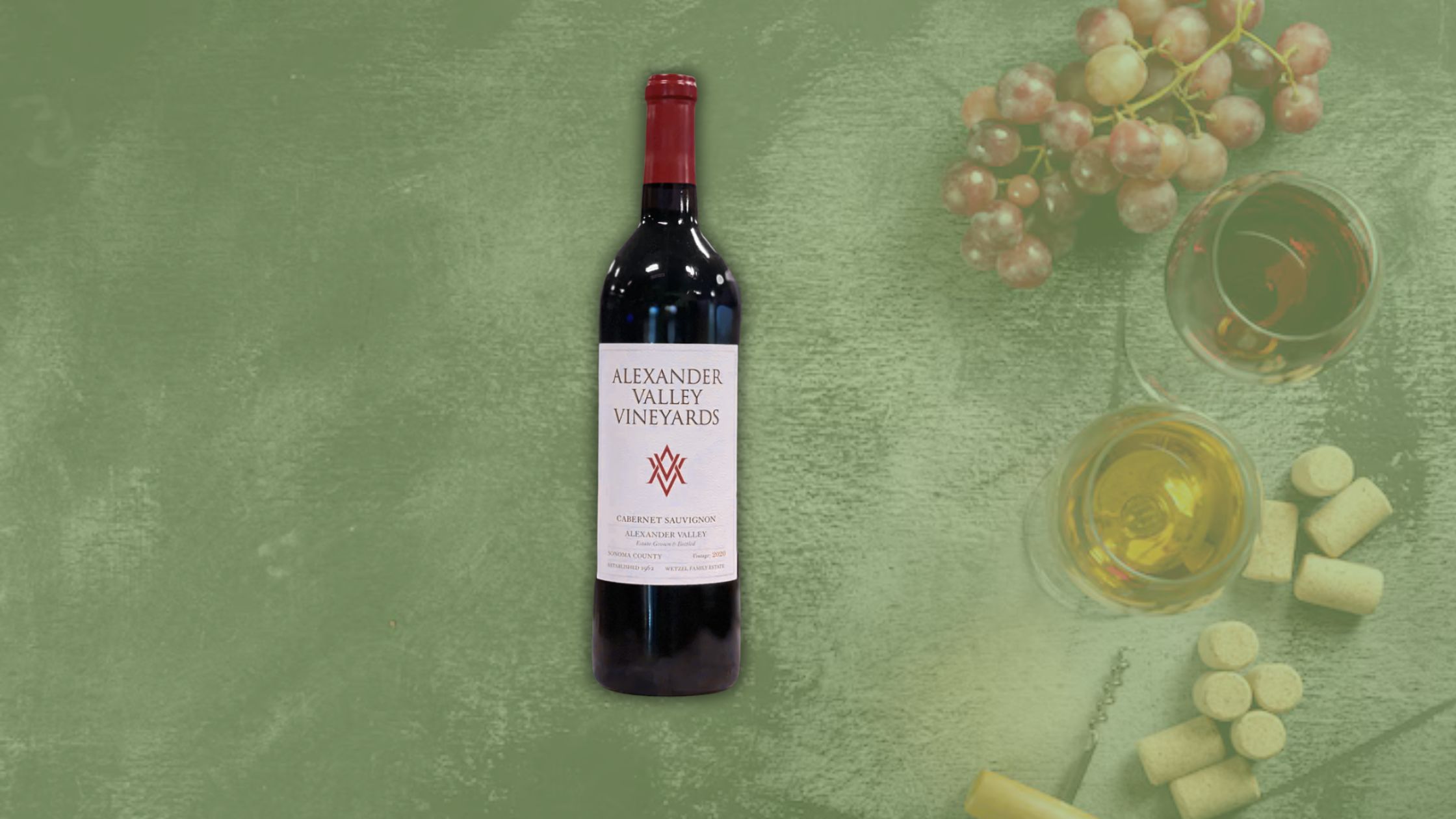
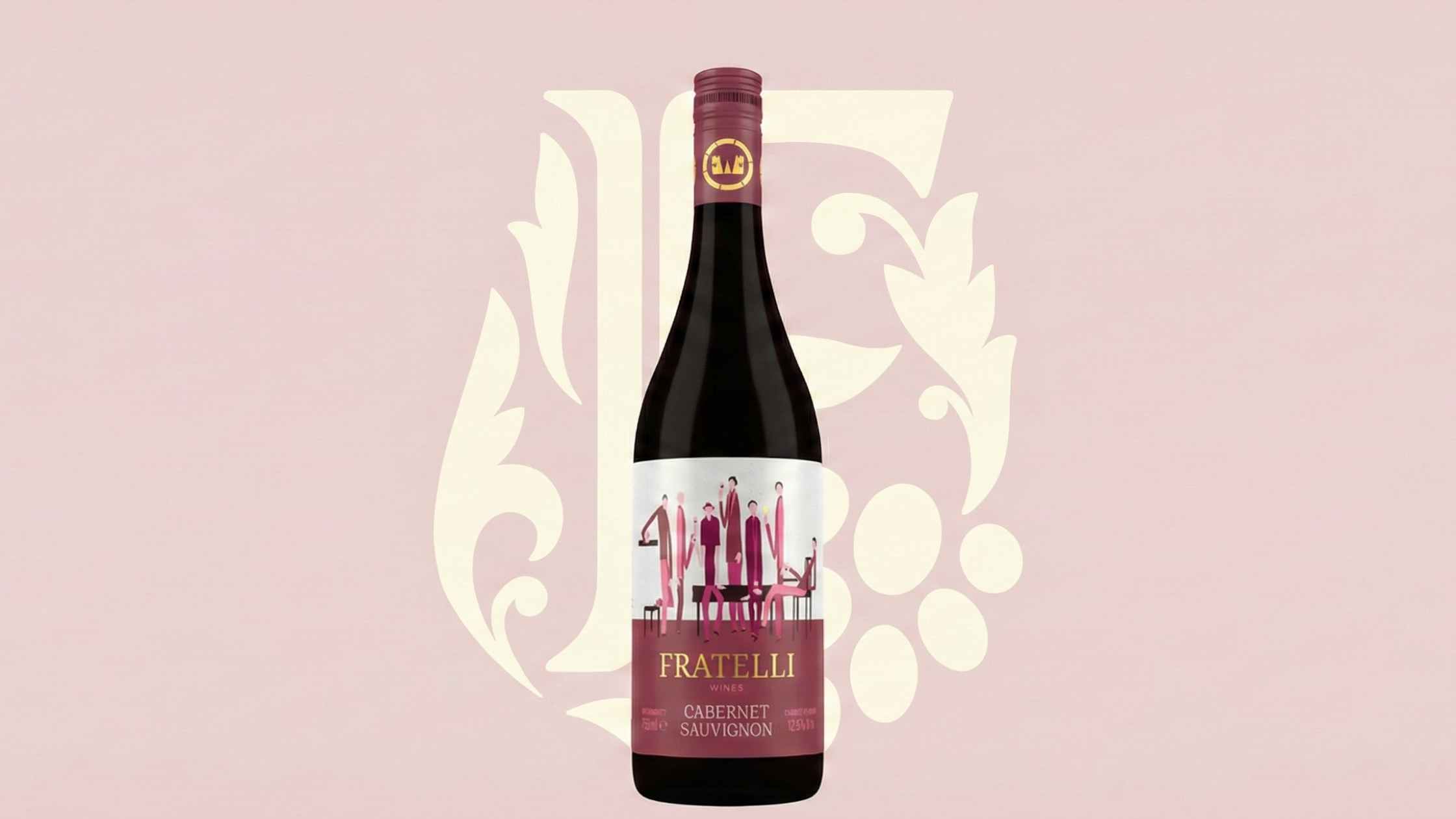
Cabernet Sauvignon is often called the “king of red wines” for its unmistakable character and unmatched global presence.
Cabernet grapes have naturally thick skins and high tannins. This gives the wine its characteristic boldness, backbone, and deep color.
No other grape combines such power, elegance, and age-worthiness. A well-made Cabernet can evolve beautifully for decades, developing layers of spice, leather, tobacco, and dried fruits.
Strong, structured wines with complexity and intensity.
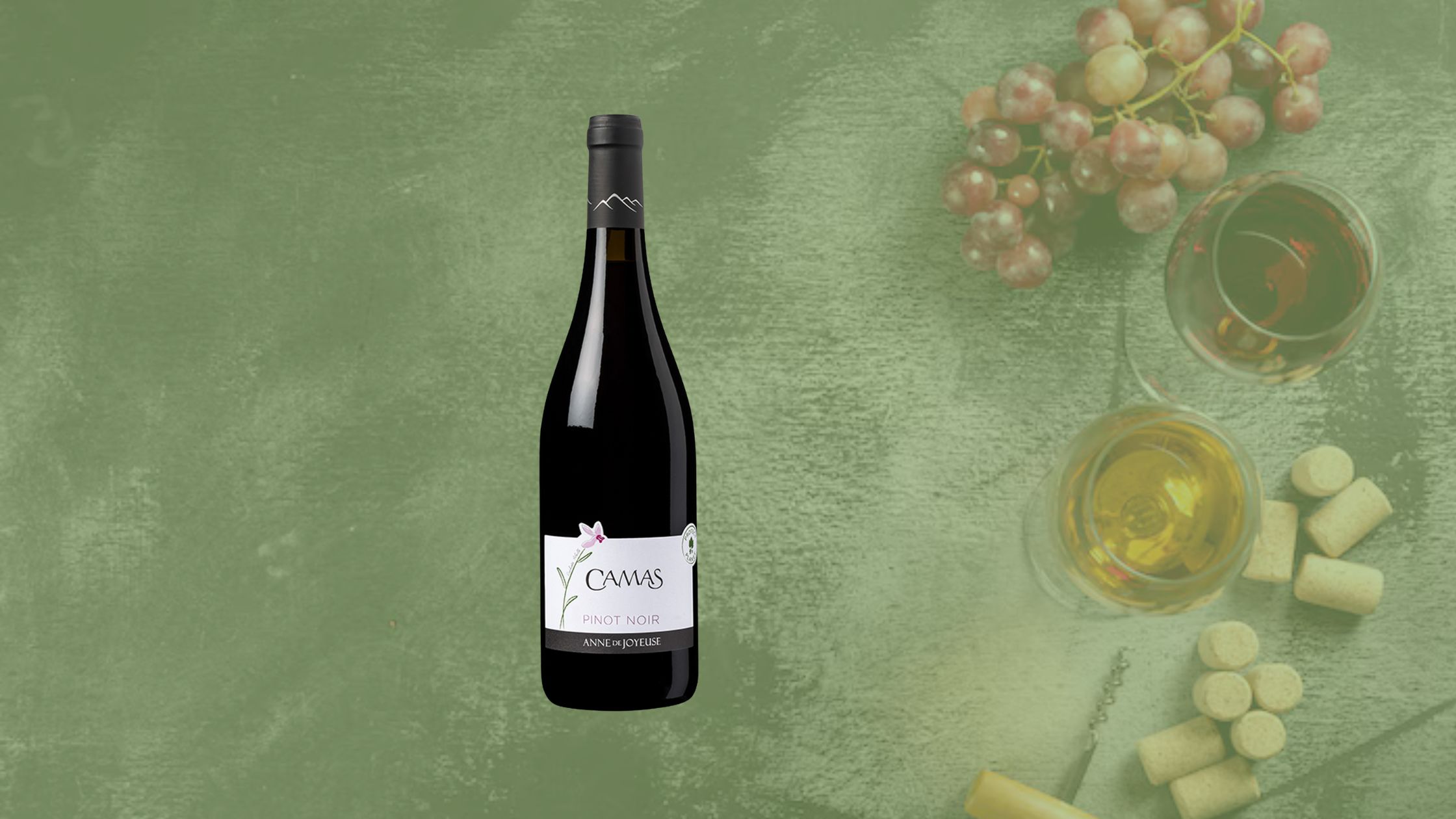
If Cabernet Sauvignon is the king, Pinot Noir is the soul of red wine. It’s famously difficult to grow, yet it rewards with unmatched finesse.
Pinot Noir grapes are thin-skinned and sensitive to climate, producing wines with lighter color but remarkable aromatics.
Few wines express terroir as transparently as Pinot Noir. A bottle from France, California, and New Zealand will taste completely different.
Elegant, soft, aromatic wines with a silky mouthfeel.
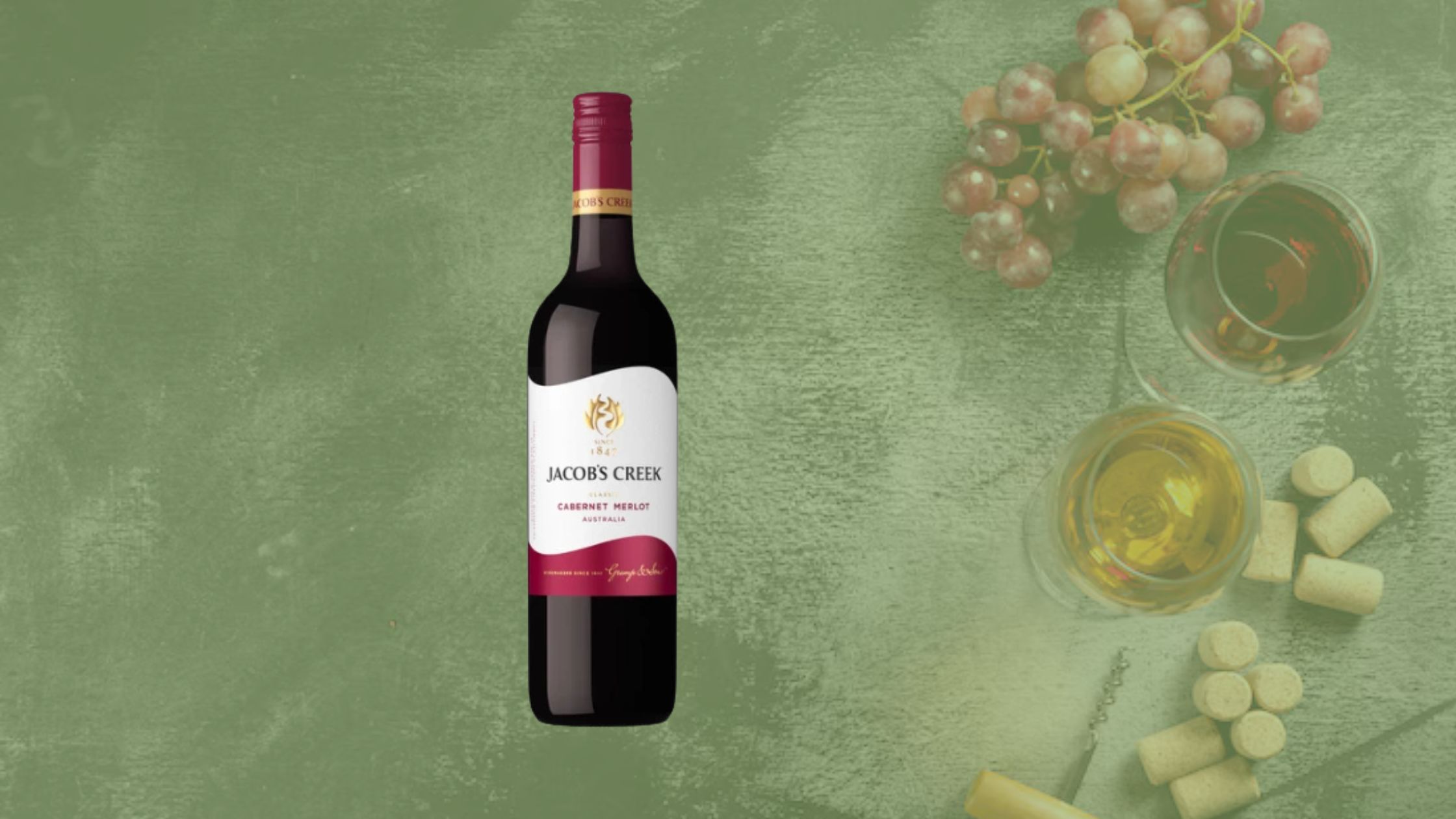
Merlot sometimes gets overshadowed by Cabernet, but it has its own distinct charm—it is approachable, juicy, and irresistibly smooth.
Lower tannins and higher natural fruitiness create a plush, velvety texture.
Why It Stands Out
Merlot is often described as the “comfort wine” of the red world—luxurious without being overwhelming.
Smooth, fruity, easy-drinking wines.

Shiraz (Australia) and Syrah (France) come from the same grape, but offer dramatically different experiences.
The grape naturally contains high tannins and dark fruit concentration, plus a signature peppery character.
It’s one of the few wines where spice is the dominant flavor, making Shiraz unmistakable in blind tastings.
Bold wines with warmth, spice, and richness.
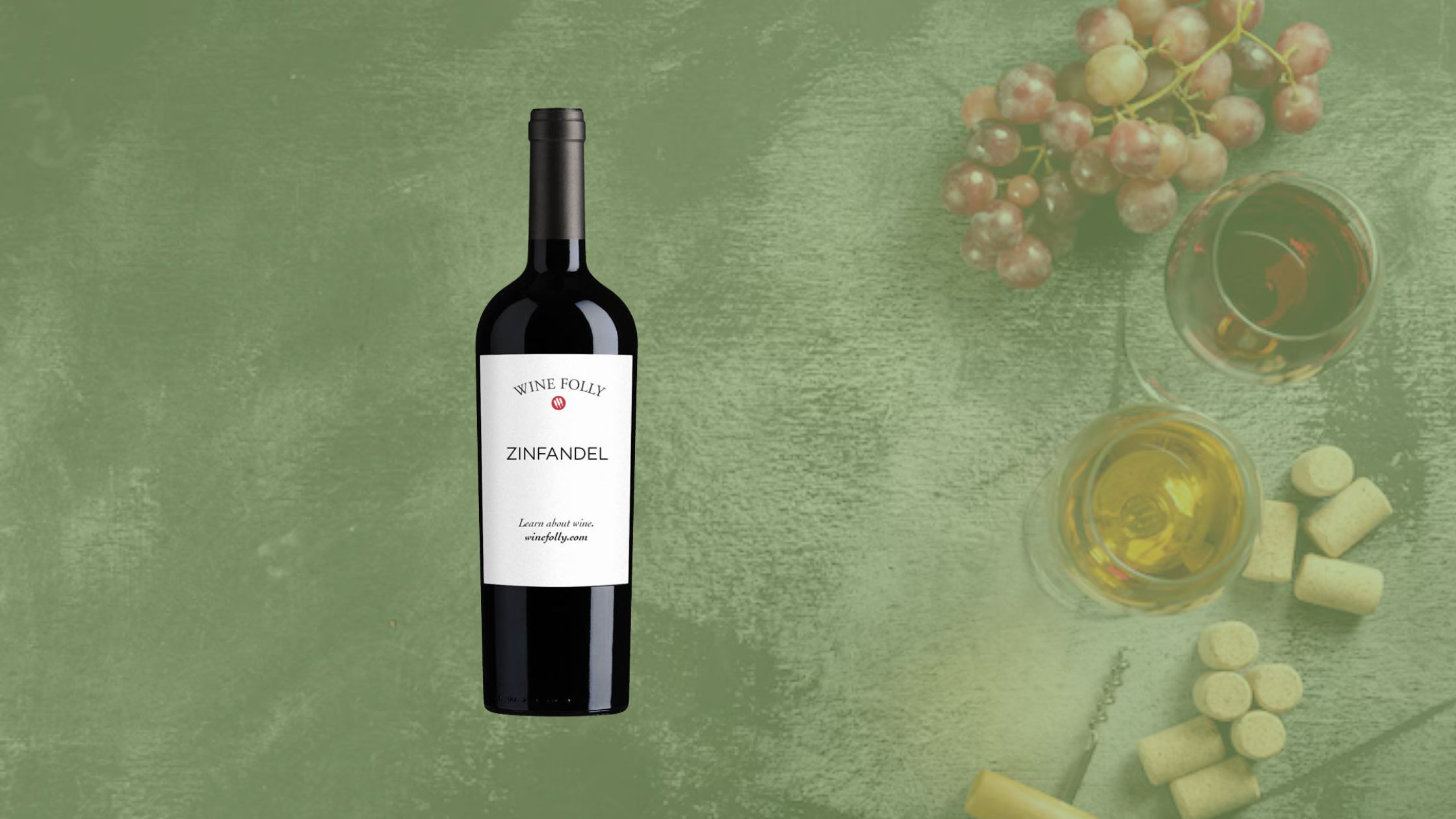
Zinfandel is often flashy, vibrant, and full of personality, one of the reasons it’s adored by wine lovers worldwide.
Naturally high sugar levels create powerful, fruit-forward wines with higher alcohol content.
Zinfandel’s fruitiness is unmatched, it delivers explosive flavors without losing balance.
Lush, jammy wines with spice and boldness.4

Tempranillo is the backbone of Spanish winemaking, known for its harmonic blend of fruit and earth.
Its early-ripening grapes develop a natural balance of juicy fruit and savory complexity.
Few wines combine rustic earthiness with polished fruitiness as gracefully as Tempranillo.
Balanced wines with both fruity and savory dimensions.
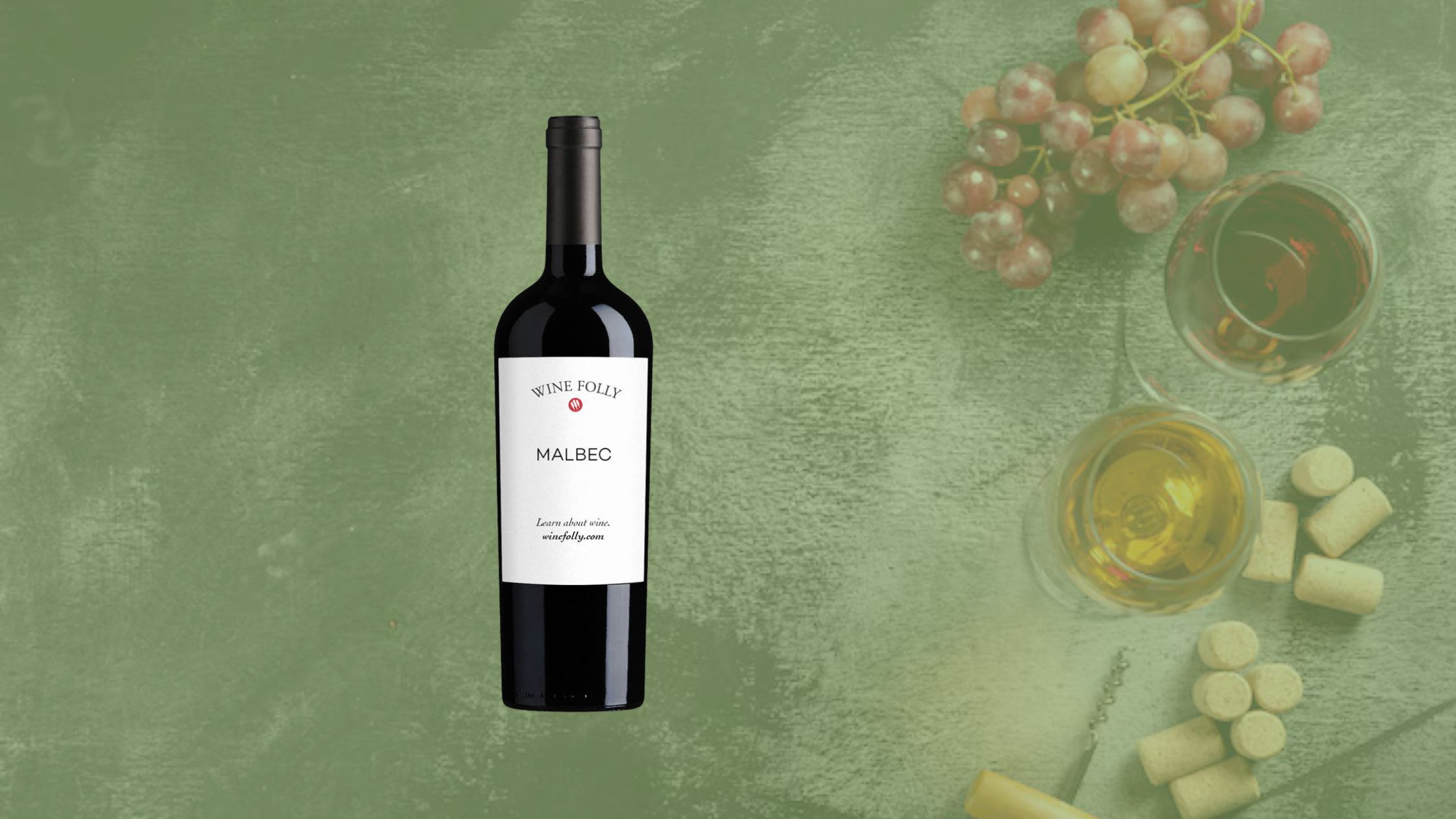
Argentina transformed Malbec into a global superstar. It’s approachable yet full of rich, luxurious flavor.
Thick-skinned grapes produce deep color, lush tannins, and expressive fruit.
Malbec combines power with softness - an ideal red wine for those transitioning from light to bold styles.
Smooth but intense wines with floral and spicy touches.
Based on structure, aroma compounds, and global recognition, these stand out:
Its complexity and elegance make it distinct among all red wines.
The peppery intensity is unmistakable.
Its jammy character sets it apart.
Improving palate recognition doesn’t require being a sommelier. Here’s how to decode flavors:
With practice, you’ll be able to identify wine styles blindfolded.
Research from UC Davis and the Australian Wine Research Institute shows that grape phenolics, soil temperature, and fermentation chemistry directly influence tannin structure and flavor compounds.
Professional sommeliers emphasize that “unique flavor” doesn’t mean extreme—it means distinctive, identifiable, and consistent across producers.
These scientific markers confirm why these wines are so unmistakable.
This guide is based on:
No promotional bias - only wine facts and sensory science.
Read also: Bro Code Beer Price & Alcohol Percentage in India
Red wine has a wide variety of flavours, from light and floral to rich and robust. Each style has its own unique flavour profile. Each bottle of red has its own unique experience when opened. No matter if you prefer the subtle nuances of Pinot Noir, the robust base notes of Shiraz, or the smooth mouth-feel of Malbec, there is a bottle of wine out there that will meet your needs.
Understanding unique flavor profiles helps you:
As your palate evolves, these seven red wines will guide you through a journey of discovery one sip at a time.