Wine, Whisky or Cocktails? The Perfect Valentine’s Day Drink for Your Date
2026-01-12
.png)
_1764829583.jpg)
As consumers become more health conscious, typically around 2026, non-alcoholic wine, beer, and spirits are anticipated to become very popular because of many components, such as that they are a healthier alternative to alcoholic beverages and the increase in popularity for people practicing "mindful drinking" and wanting to enjoy the social rituals associated with "drinking" without having to deal with the effects associated with consuming alcoholic beverages.
Today's products in the low-ABV (alcohol by volume) and 0.0% categories are much more interesting in terms of their "flavor complexity" than what we had seen previously when they first entered the market about 5-6 years ago. This has been accomplished by using better "dealcoholization" methods, better fermentation techniques, and, in general, by producers treating the craft of making alcoholic beverages as a serious pursuit.
In 2026, we will look at the best non-alcoholic wines and beers to purchase as of now. We will evaluate them based on flavor accuracy, reputation for quality of production, and overall drinkability.
Before diving into the list, here are the expert-level questions many readers ask - and the answers that matter:
Yes, 2026 marks a major shift. Modern producers use spinning cone columns, vacuum distillation, and arrested fermentation to preserve aroma and structure.
The best brands do. While texture may differ slightly, flavors like tannins, hops, fruit esters, and oak influence are more accurately preserved than ever before.
Both are considered non-alcoholic globally.
0.0% options are great for strict zero-alcohol needs.
0.5% options often taste more realistic due to the natural fermentation process.
With those basics covered, let’s explore the top picks.
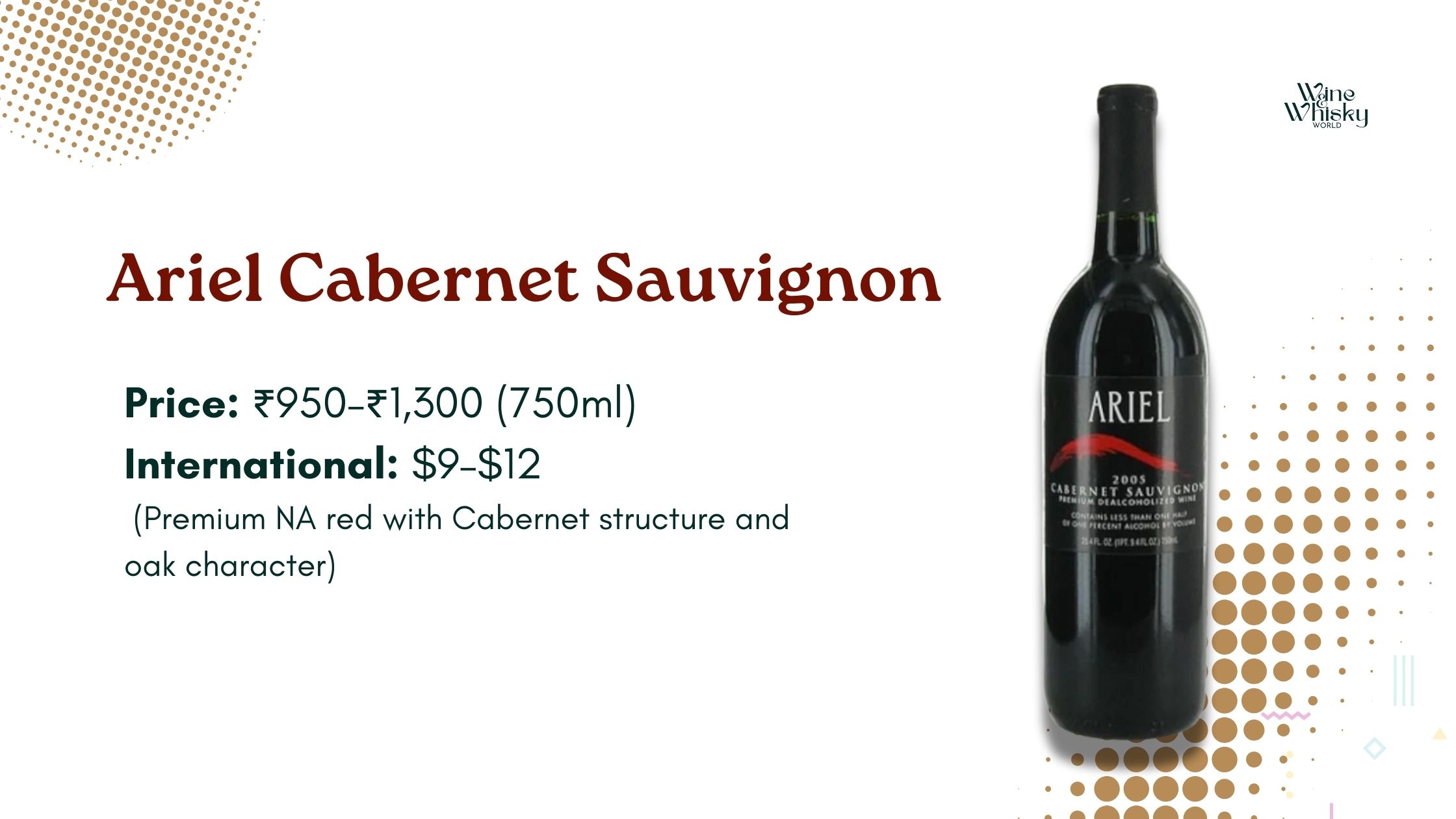
If you want a classic red wine experience without alcohol, Ariel’s Cabernet Sauvignon remains the industry benchmark.
Why It’s the Expert Favorite
Ariel uses cold vacuum distillation to remove alcohol while preserving varietal character. As a result, it maintains the depth, complexity, and aroma intensity expected from a traditional Cabernet Sauvignon.
Best For:
Red-wine lovers, steak dinners, and anyone transitioning away from alcoholic wines.
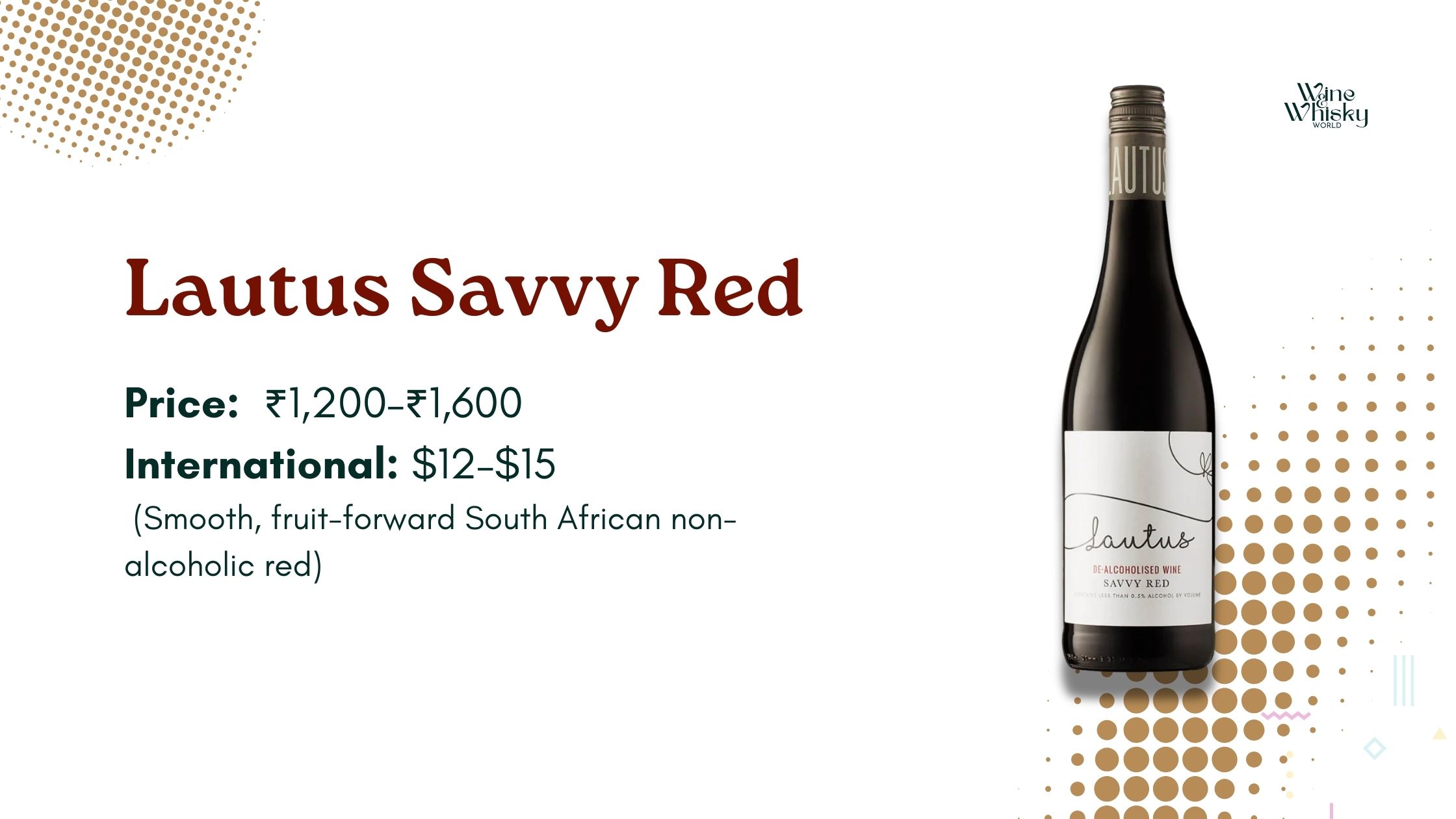
A standout for drinkers who prefer a softer, more balanced red wine profile.
Tasting Notes
Savvy Red is especially loved because it carries a Merlot-like smoothness -making it an excellent food-pairing wine.
Best For:
People who enjoy smooth, fruit-driven reds that still feel structured.
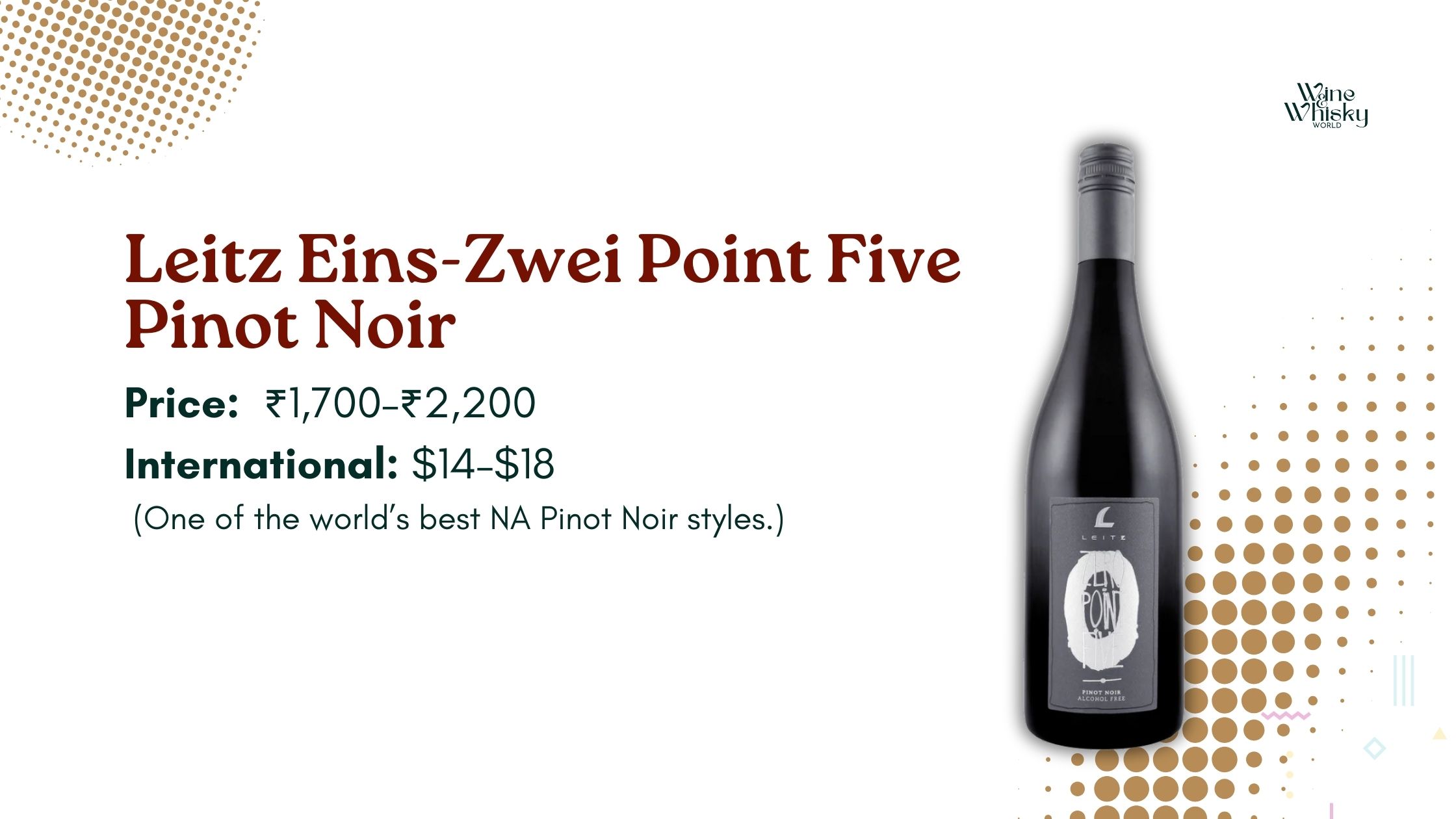
Leitz has dominated the non-alcoholic wine category for years, and 2026 is no different.
What Makes It Special
This is one of the few alcohol-free red wines that retains the subtlety Pinot Noir lovers crave.
Best For:
Dinner parties, casual sipping, and food pairings like salmon or mushroom dishes.
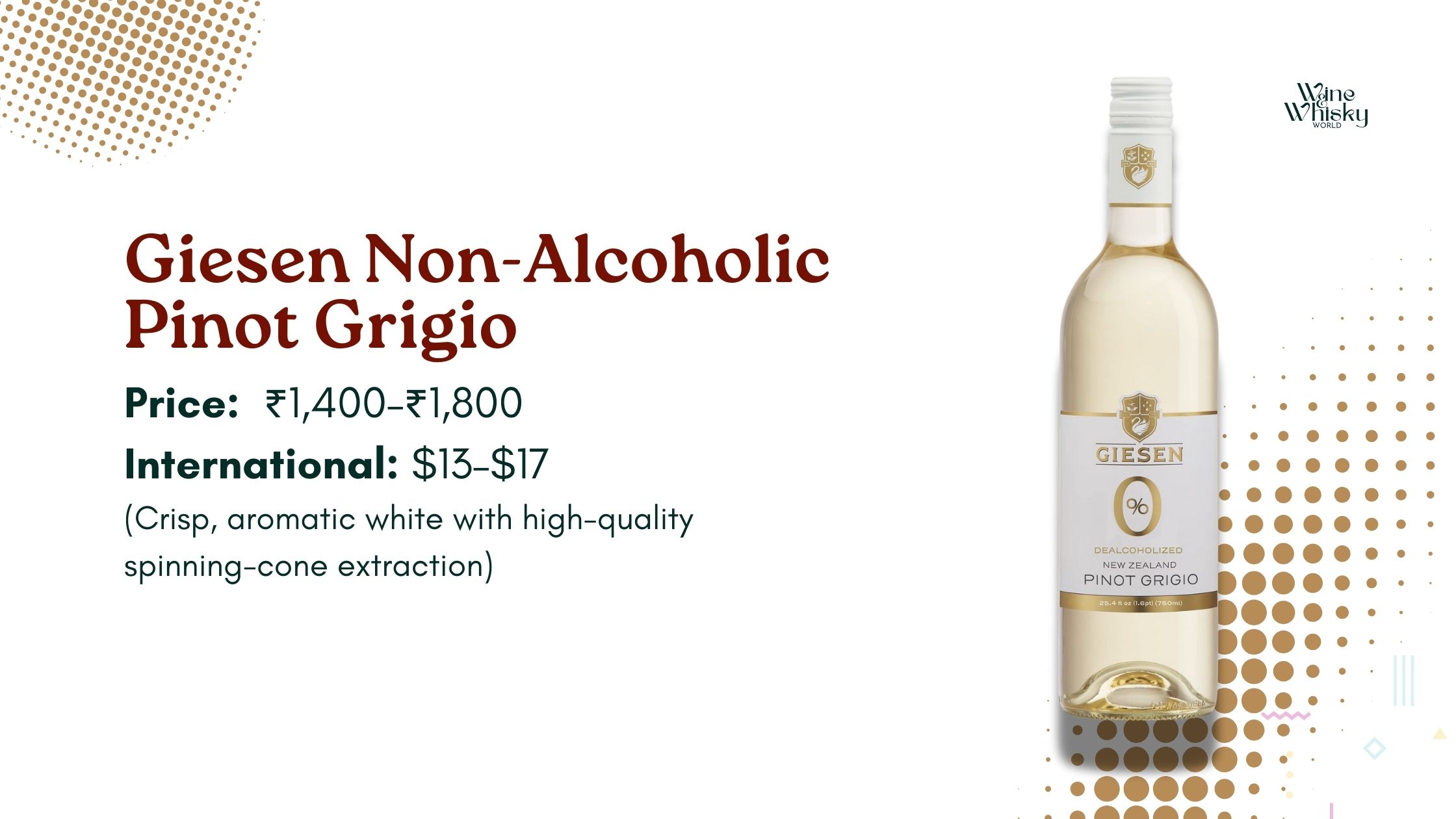
If you love crisp, refreshing white wines, Giesen’s alcohol-removed Pinot Grigio is a must-try.
Flavor Profile
Giesen uses spinning cone technology, helping it retain varietal aromatics that most alcohol-free whites lose.
Best For:
Summer drinking, salads, seafood, and light meals.
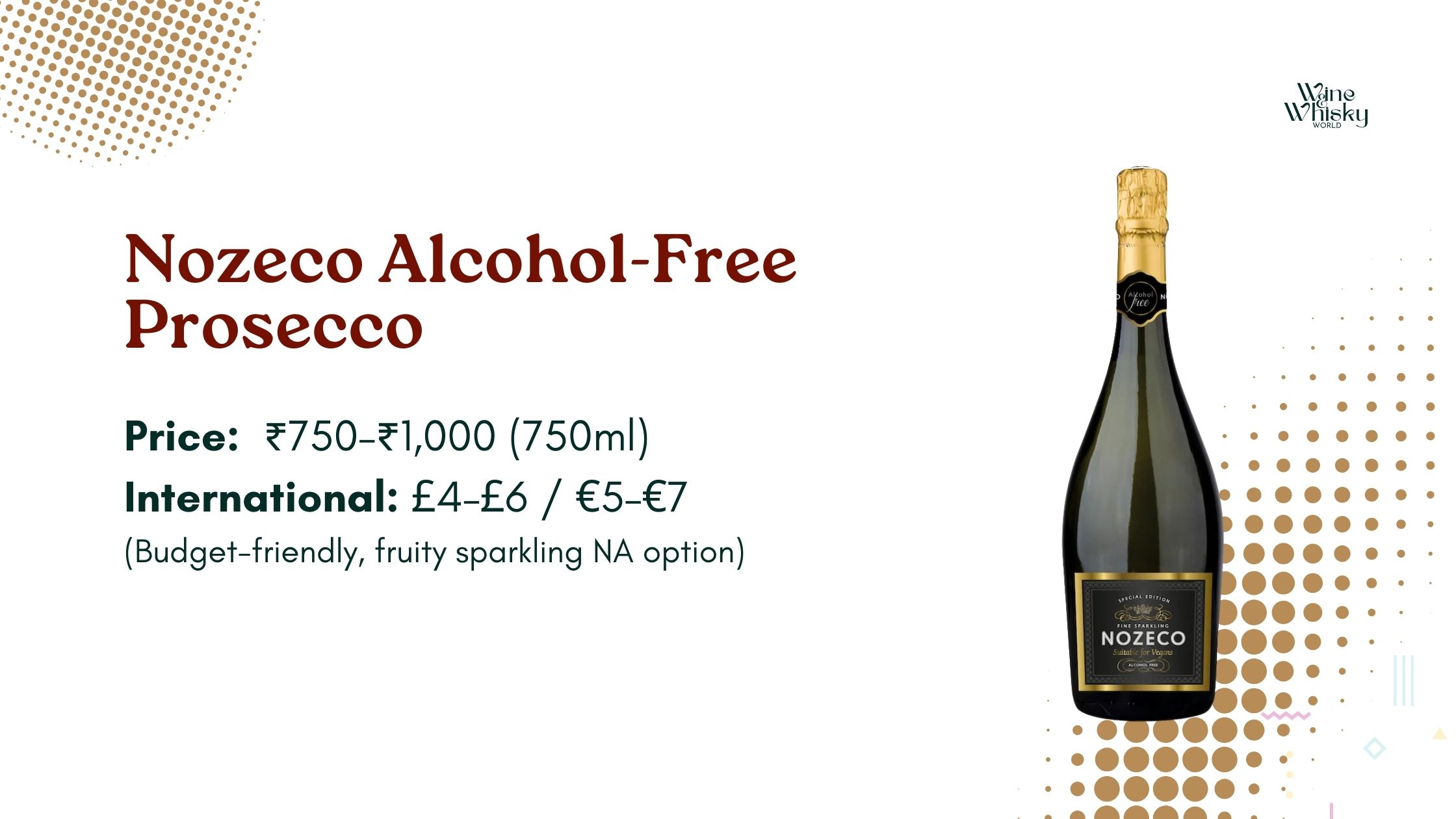
Nozeco remains one of the most popular non-alcoholic sparkling wines in the world, especially for celebrations.
Why It Works
Whether it's a brunch, birthday, or festive event, Nozeco delivers the Prosecco experience without the alcohol.
Best For:
Celebrations, mocktails, brunch, and gifting.
Non-alcoholic beers have evolved far beyond bland malt beverages. Many breweries now brew fully alcoholic beer first and then remove the alcohol, while others use unique fermentation methods to produce low-ABV beer from the start.
Here are the top performers of 2026.
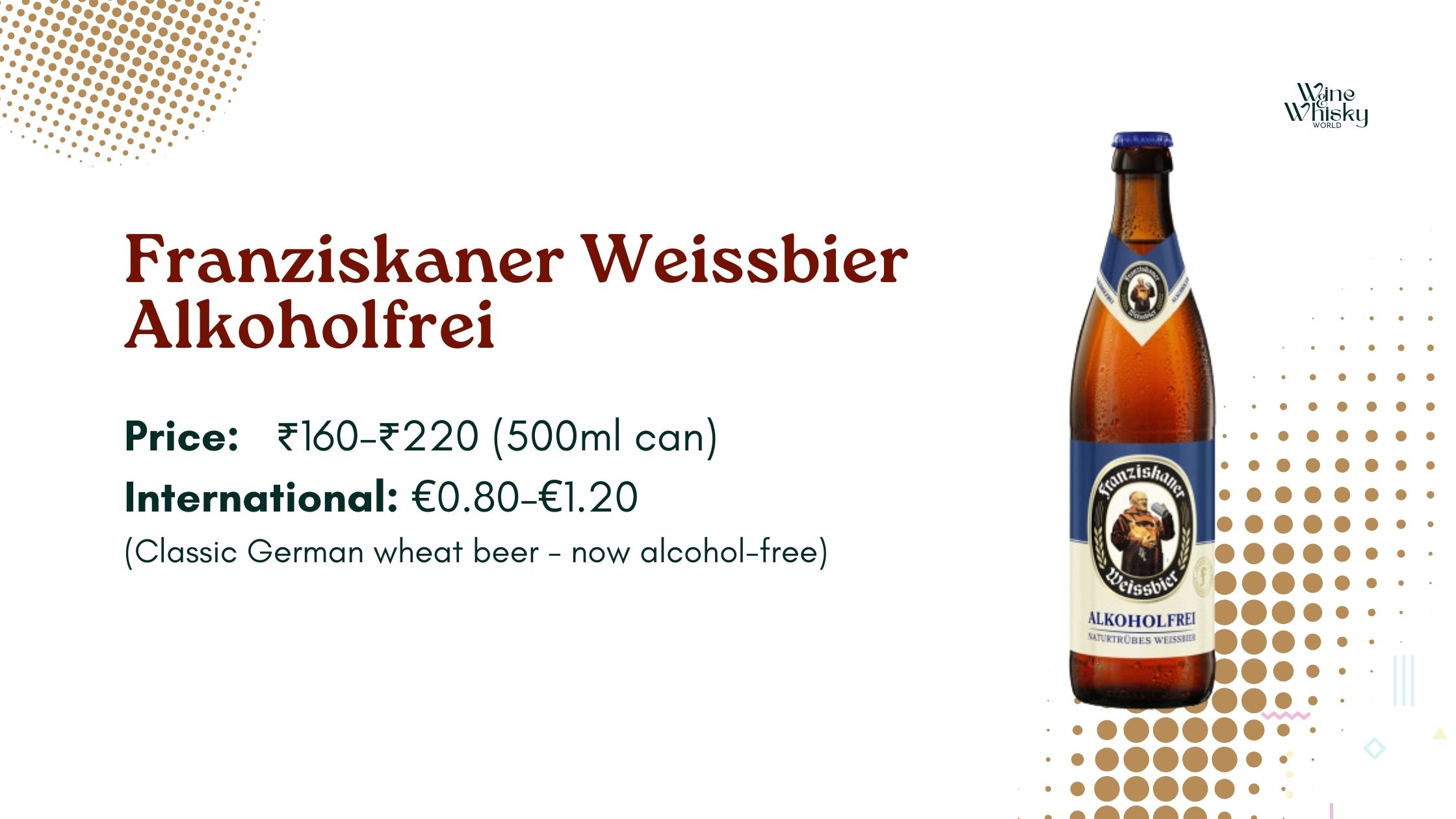
Germany’s brewing heritage shines in this alcohol-free wheat beer.
Why Experts Love It
It tastes almost identical to traditional Weissbier, making it a favorite for fans of German beer styles.
Best For:
Summer sipping, sports hydration, and wheat beer lovers.
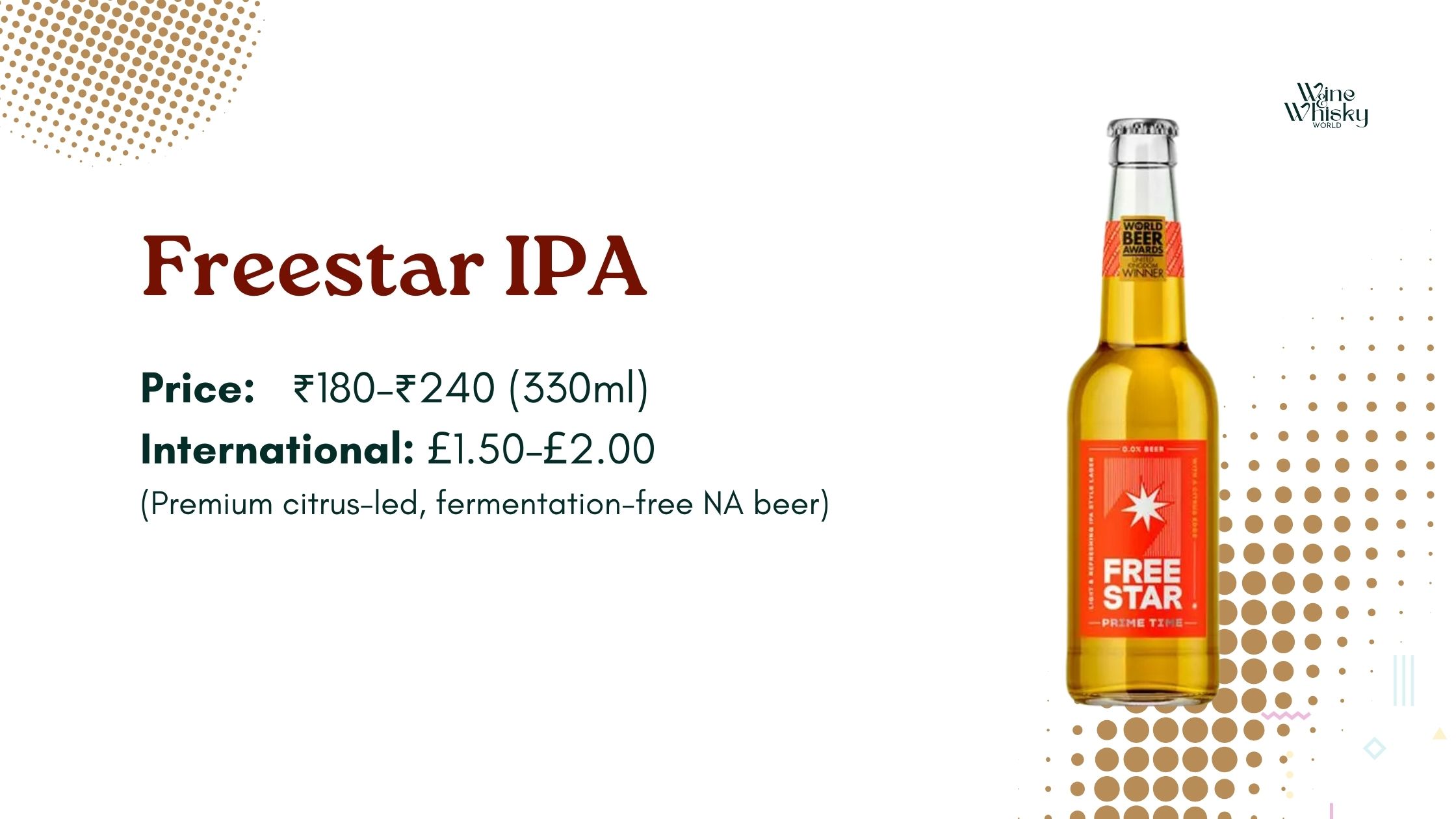
A true innovation: the world’s first fully alcohol-free brewed IPA-style lager.
Flavor Highlights
Instead of brewing beer and removing alcohol, Freestar uses natural flavor extraction and fermentation-free methods to create a beer-like profile.
Best For:
IPA drinkers who prefer citrusy, easy-going flavors.
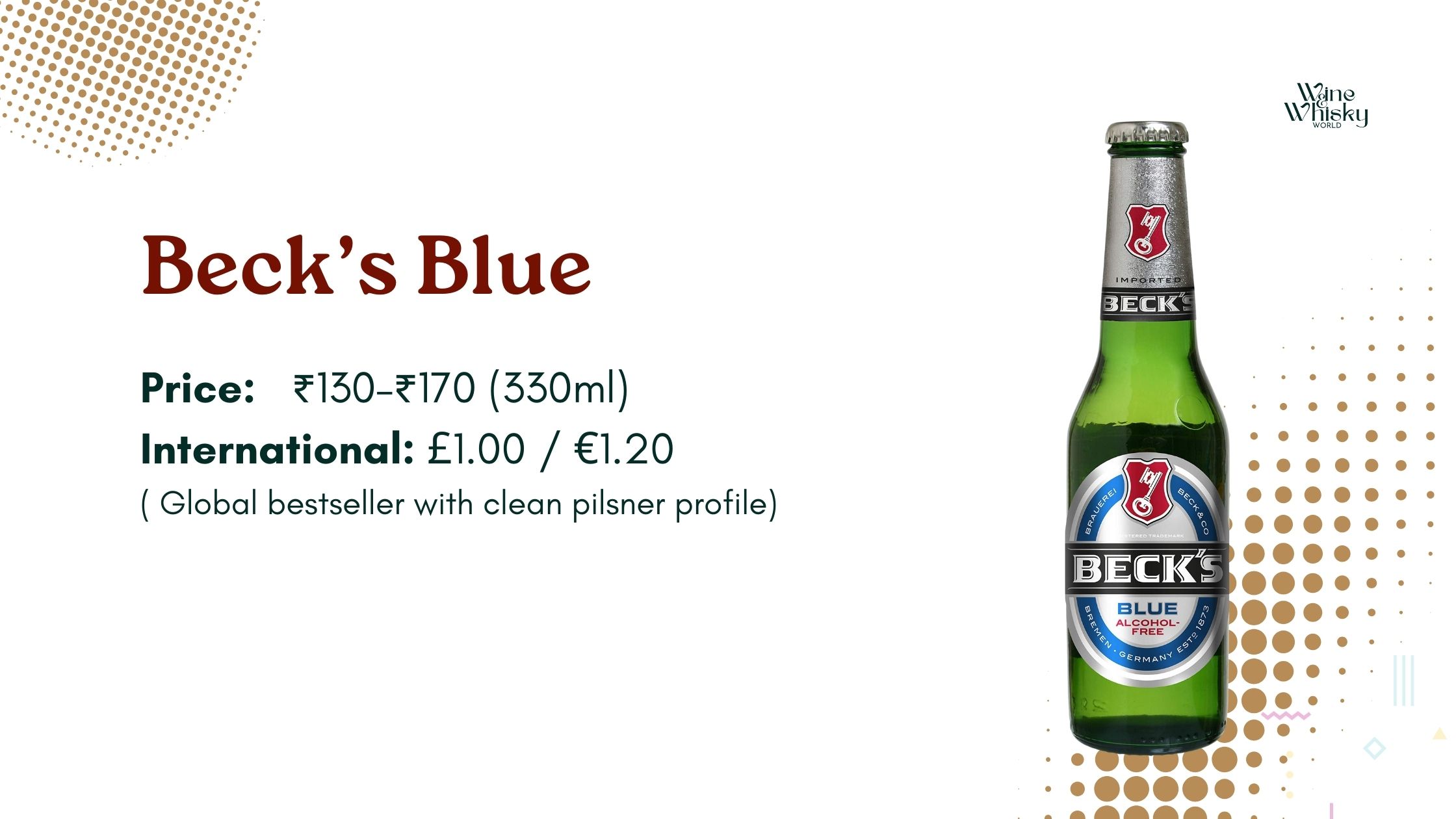
A worldwide classic, known for consistency and reliability.
It tastes very close to the alcoholic Beck’s, making it a go-to choice for mainstream beer drinkers.
Casual drinking, parties, and people transitioning from alcoholic beer.
.jpg)
This award-winning alcohol-free lager is one of the most balanced beers in the 0.0–0.5% category.
Flavor Notes
Its medals and expert acclaim make it one of 2026’s most trusted NA lager options.
Best For:
Lager fans who want something classic and refreshing.
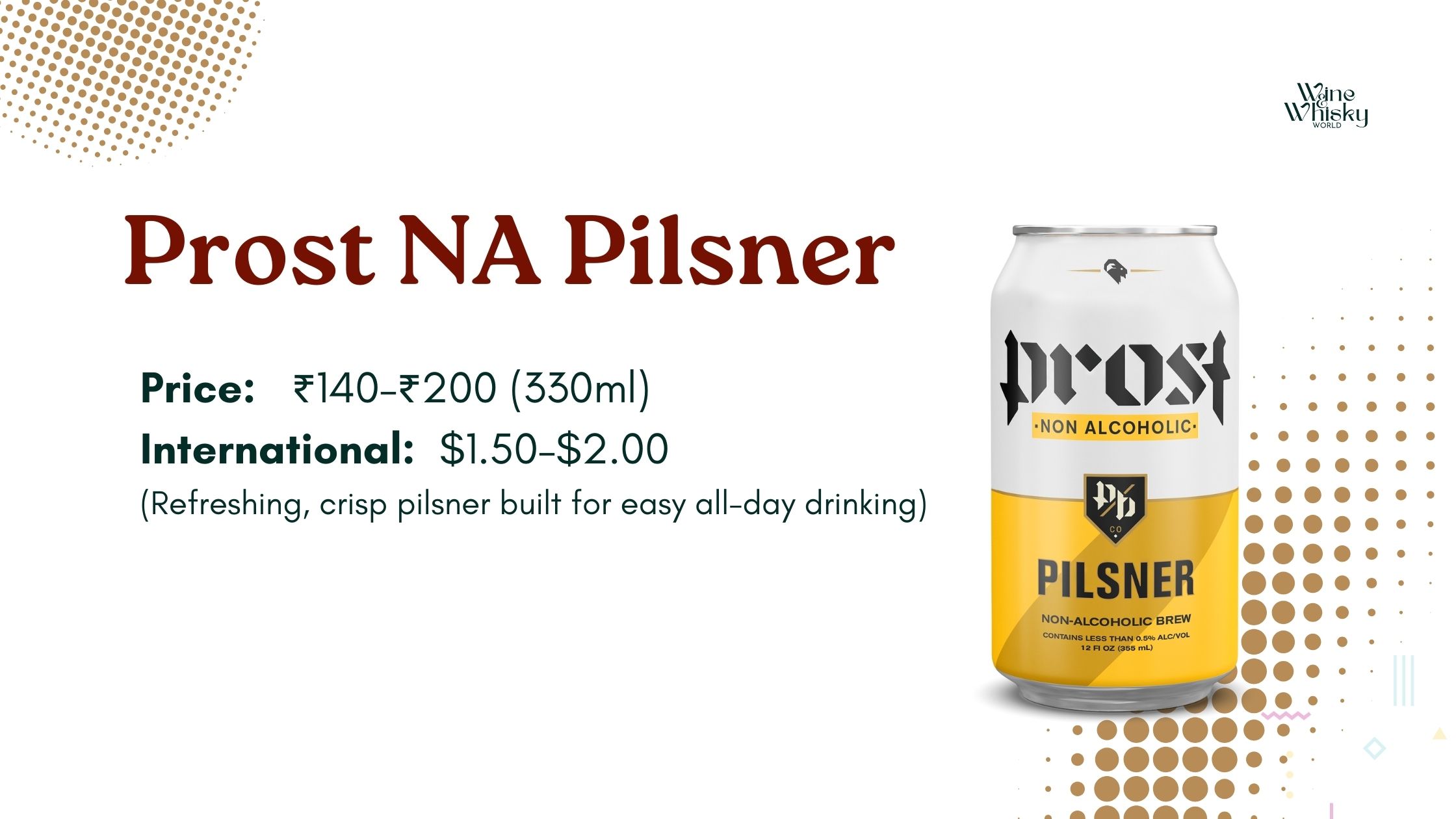
A vibrant, authentic pilsner that doesn’t compromise on flavor.
Why It’s a Top Pick
It’s an all-day beeri - deal for social drinking without fatigue or buzz.
Best For:
Picnics, long parties, all-day sipping.
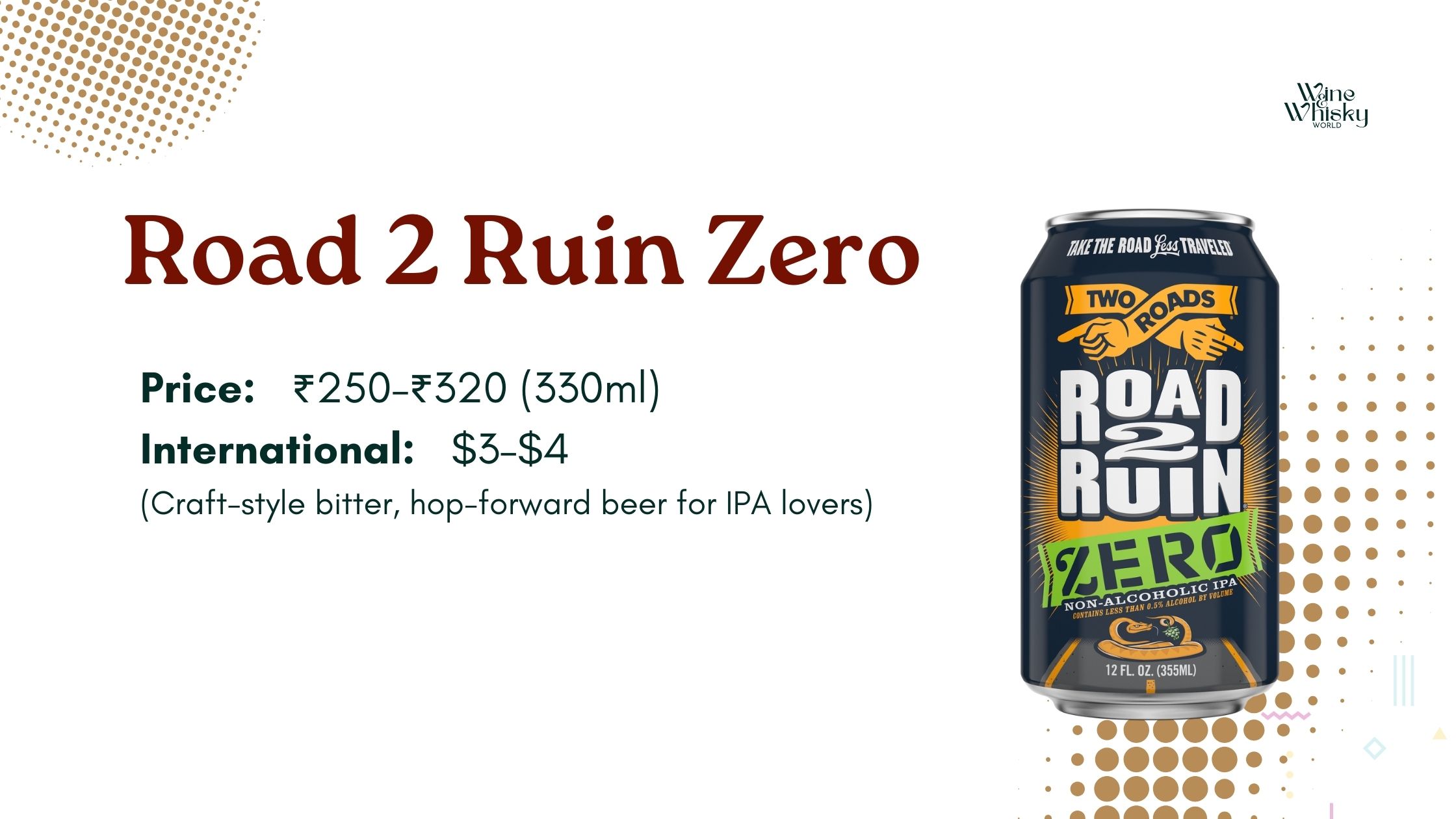
A craft alternative for drinkers who want something bold yet alcohol-free.
Great for IPA and craft beer enthusiasts who still want a punch of flavor.
Best For:
Craft beer fans, BBQs, and evening sipping.
To help readers navigate the growing market, here are expert insights:
1. Match Your Style Preference
Love bold reds? Choose Ariel Cabernet or Lautus Savvy Red.
Prefer light wines? Go for Giesen Pinot Grigio.
Enjoy hoppy beer? Try Freestar IPA or Road 2 Ruin Zero.
2. Understand ABV Labels
3. Check the Dealcoholization Method
Top producers use:
These methods preserve aromas better.
4. Don’t Expect Exact One-to-One Taste
NA beverages are extremely close to their alcoholic versions, but slight differences in body and complexity are natural.
5. Use Proper Glassware
Even NA drinks taste better when served properly - red wine glasses, tulip beer glasses, and chilled flutes enhance the overall experience.
| Read Also: Which Wine Is Best for Christmas Dinner? Dive deeper into festive pairings and find the perfect bottle to elevate your holiday feast! |
The Non-Alcoholic Wine and Beer category has advanced a great deal from 2026 to today. The best NA wines and beers no longer serve as replacements, they are now a legitimate beverage of choice for individuals who enjoy flavorful beverages, the ritual of drinking, and an appreciation for creativity in their craft without alcohol.
With this trend of being mindful of your drinking, NA products are likely to continue to grow in popularity over the next several years. Therefore, the next several years may provide the greatest opportunity for NA products to continue to flourish and provide additional high-quality products to consumers.