Bacardi India Goes 100% Digital: A New Immersive Era
2026-02-24
.png)
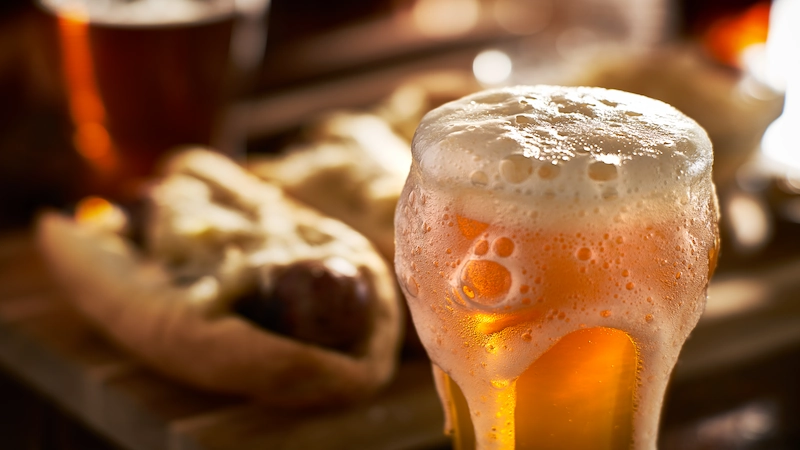
India’s beer market is shifting toward premiumization, with Tier-2 cities emerging as important growth markets. Rising incomes, changing consumer preferences, premium beer demand, brewery investments, and innovative products are supporting this expansion. Major players are increasing capacity and diversifying portfolios as consumers increasingly seek quality, variety, and modern beer experiences.
While India has historically been recognized as a spirits-first market dominated by Indian-Made Foreign Liquor (IMFL) like whisky and rum the subcontinental beverage ecosystem is undergoing a major structural shift. Fuelled by rising disposable incomes, urban sprawl, and changing social habits, beer consumption is surging across the country, with premium lager demand leading the charge.
Recent industry data highlights that India’s alcobev sector is being redefined by a more quality-conscious consumer base. In response to this shifting landscape, major brewers are making massive capital investments to expand capacity and capture market share in both metro hubs and emerging non-metro markets.
The Indian beer market is expanding at a steady pace, driven by a growing appetite for premium offerings, new flavour profiles, and lower-ABV options among younger drinkers:
Market Forecast: According to analytics from IMARC Group, the beer market in India is projected to grow at a CAGR of 6.72% (2025–2033), climbing toward a market valuation of ₹802.5 billion ($9.6B+ USD) by 2033.
Global Premium Trends: Globally, the premium lager segment is projected by Future Market Insights to expand at a 5.7% CAGR (2025–2035), reaching $209.1 billion a trend mirrored in India's urban and semi-urban centers.
The Tier-2 Surge: While Tier-1 metropolitan cities still account for roughly 35% to 40% of total beer consumption, Tier-2 cities are rapidly catching up. Growth rates for premium beers in secondary cities are now outpacing broader state averages.
Tier-2 Towns Mimic Metros
Consumers in Tier-2 locations are adopting the buying behaviours of metro cities. The mushrooming of modern walk-in liquor outlets, premium on-premise bars, and microbreweries in smaller cities has introduced consumers to new beer styles, accelerating the shift away from mass-market lagers to super-premium craft and flavoured varieties.
Capital Investments Scaling Up
To capitalize on this demand, major regional and national alcobev players are deploying heavy capital expenditure (Capex). Notably, SOM Distilleries & Breweries announced a ₹600 crore investment for a greenfield facility in Farrukhabad, Uttar Pradesh, aimed at boosting capacity for both traditional lagers and premium labels like Woodpecker Glide and Woodpecker Crest.
Market Leaders Diversify Portfolio
Market giant United Breweries Limited (UBL) the maker of Kingfisher and Heineken in India has similarly accelerated its premiumization playbook. Through localized launches of international offerings like Amstel Grande and expansions of Heineken Silver, market leaders are aggressively expanding into Tier-2 markets to cater to young, lifestyle-driven consumers.
Modern Brewing Innovations
To stand out in an increasingly crowded market, breweries are differentiating through packaging and brewing techniques. Industry-first innovations such as cross-malt brewing, 30-day maturation processes, twist-open caps, pre-printed labels, and sleek aluminium cans are targeting young urbanites seeking both convenience and premium aesthetic appeal.
The rapid rise of beer consumption in India offers important strategic implications for spirits makers, distributors, and alcobev investors:
For site visitors at winewhiskyworld.com, India's evolving market proves that premiumization isn't restricted to high-end whiskies or fine wines brewed, low-ABV beverages are claiming a central seat at the table.