The Spirit of Japan: Origins, Cultural Mastery, and Where to Find Premium Sake in Delhi-NCR
2026-09-02
.png)
_1788326706.webp)
Shochu and soju are iconic Asian spirits with distinct origins, production methods, flavors, and drinking traditions. Japanese shochu is often single-distilled and ingredient-driven, while modern Korean soju is typically neutral, lighter, and slightly sweet. Learn how their ABV, preparation, and food pairings differ before choosing your next pour.
As the global palate for premium and craft spirits expands, traditional Asian liquors are finally getting the mainstream recognition they deserve. For years, the Western world’s understanding of Asian spirits began and ended with sake. However, two titans of the East are now capturing the attention of bartenders and connoisseurs alike: Japanese Shochu and Korean Soju.
While they sound similar to the untrained ear and look almost identical in a glass, shochu and soju are distinct spirits with different histories, production methods, and drinking cultures. Whether you are stocking your home bar or exploring a new cocktail menu, understanding the nuances between these two iconic beverages is essential for any modern spirits enthusiast.
Shochu (pronounced show-choo) is Japan’s indigenous distilled spirit. While sake (which is brewed, not distilled) often steals the international spotlight, shochu is actually the most popular spirit consumed within Japan.
Originating in the southern Japanese island of Kyushu over 500 years ago, shochu is deeply tied to its terroir. Unlike most Western spirits which use yeast to convert sugars directly, shochu production relies on koji, a special mold spore (also used in making miso and soy sauce) that breaks down starches into fermentable sugars.
Shochu can be distilled from over 50 different base ingredients authorized by Japanese law, but the three most common are:
Premium shochu, known as Honkaku Shochu, is single-distilled. This strict traditional method ensures that the spirit retains the distinct flavor and aroma of its base ingredient. It is a spirit designed to be savored, celebrated for its craftsmanship and complexity.
Soju (pronounced so-joo) is the undisputed king of Korean spirits. In fact, due to its massive domestic consumption and growing global export, certain brands of soju consistently rank as the highest-selling liquor brands in the world by volume.
Soju dates back to the 13th century Goryeo dynasty when Mongol invaders introduced distillation techniques from the Levant to the Korean peninsula. Traditionally, soju was a meticulously crafted spirit made from rice and distilled in small batches.
However, modern sojuthe kind you typically see in the iconic green glass bottles at Korean BBQ restaurants has a different story. Following the Korean War, a rice shortage led the government to ban the use of rice for alcohol production in 1965. Distillers pivoted to alternative starches like sweet potatoes, tapioca, and wheat.
Today, green-bottle soju is typically continuously distilled into a highly neutral spirit (similar to vodka), which is then diluted with water and sweetened with additives to achieve a smooth, easy-drinking profile. While artisanal, traditional rice soju is making a strong comeback in the craft spirits movement, the green bottle remains the cultural staple for everyday drinking.
To truly appreciate these spirits, it helps to break down exactly where they diverge. Here is how shochu and soju compare across the most important categories.
|
Feature |
Japanese Shochu |
Korean Soju |
|---|---|---|
|
Primary Base |
Sweet potato, barley, rice, buckwheat. |
Rice (traditional) or Tapioca/Sweet Potato (modern). |
|
Fermentation Starter |
Koji (mold spore specific to Japan). |
Nuruk (wild fermentation starter cake). |
|
Distillation Method |
Usually single-distilled (Honkaku). |
Often continuously distilled (modern). |
|
Flavor Profile |
Complex, earthy, retains base ingredient flavors. |
Neutral, clean, slightly sweet (often artificially). |
|
Average ABV |
25% – 35% |
16% – 25% (up to 53% for traditional). |
|
Additives |
Strictly forbidden in Honkaku shochu. |
Common in commercial green-bottle soju. |
The most significant difference lies in distillation. Because Honkaku shochu is single-distilled, it acts almost like an eau-de-vie, capturing the essence of the sweet potato or barley. Modern soju undergoes continuous distillation, stripping away the flavors of the base ingredients to create a neutral canvas, which is why commercial soju often requires added sweeteners to soften the bite.
Shochu typically clocks in at around 25% to 35% ABV, making it stronger than wine and sake, but generally lighter than Western spirits like vodka or whisky (which sit at 40%). Modern commercial soju is lighter, usually ranging from 16% to 20% ABV, which contributes to its reputation as a highly sessionable party drink.
The distinct flavour profiles of shochu and soju dictate entirely different drinking cultures and food pairings.
Because of its rich flavour profile, shochu is highly versatile and changes character depending on the temperature and dilution.
Oyuwari (Mixed with hot water): Pouring hot water into the glass first, followed by sweet potato shochu, releases deep, savory aromas.
Mizuwari (Mixed with cold water) or On the Rocks: Ideal for barley and rice shochu to bring out crisp, refreshing notes.
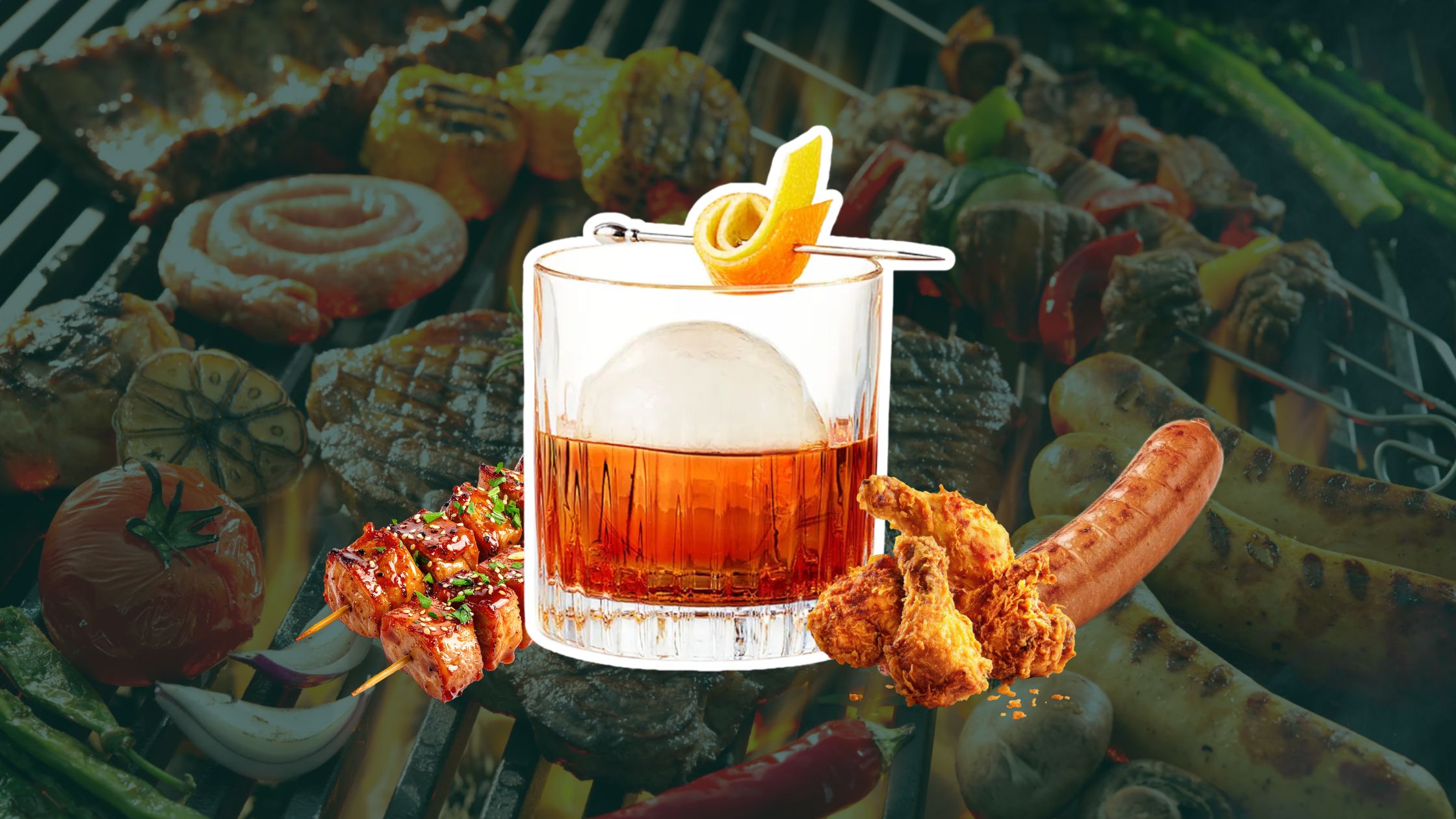
Food Pairing: Shochu pairs beautifully with the nuanced flavours of Japanese cuisine. Try rice shochu with delicate sashimi, barley shochu with tempura, and sweet potato shochu with rich, fatty dishes like braised pork belly (kakuni) or grilled yakitori skewers.
Soju is a communal drink, heavily tied to the energetic dining culture of South Korea. It is rarely consumed alone.
Neat and Chilled: The most common way to drink green-bottle soju is ice-cold, poured into small glass cups. Custom dictates that you never pour your own glass, but rather pour for the people you are with.
Somaek (Soju + Beer): A highly popular boilermaker-style drink where a shot of soju is dropped into a glass of Korean lager.
Food Pairing: Soju is built to cut through spice and fat. It is the ultimate companion to Korean BBQ (galbi and samgyeopsal), spicy rice cakes (tteokbokki), and crispy Korean fried chicken. The slight sweetness of the soju perfectly balances the fiery gochujang chili paste used in many Korean dishes.
Comparing shochu and soju is like comparing an artisanal mezcal to a smooth, crowd-pleasing vodka. they simply serve different purposes.
If you are looking for a complex, terroir-driven spirit to sip slowly and analyse, Japanese shochu is a fascinating category that rewards exploration. However, if you are gathering with a group of friends for a vibrant, spicy meal and want a crisp, communal drink to keep the energy high, a chilled bottle of Korean soju is absolutely unmatched.
As the borders of the spirits world continue to blur, there has never been a better time to stock both in your home bar and let your palate travel across the East.
_1785317074.webp)