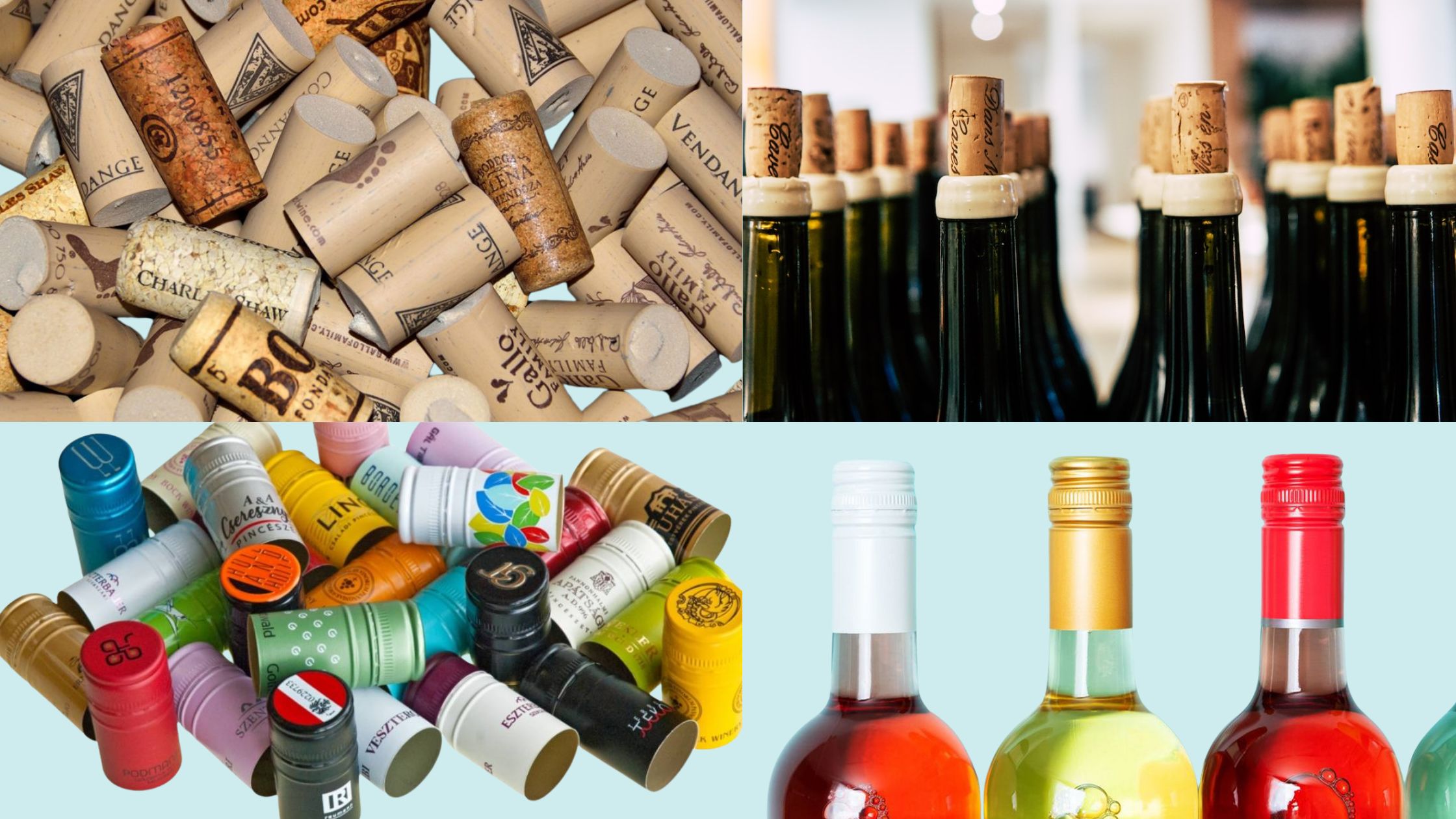
For years, Indian wine drinkers were taught one simple rule that Real wine has a cork.
A screw cap? That was cheap wine, export leftovers. Something you’d never proudly put on a home bar.
But here’s the uncomfortable truth most wine snobs don’t admit, in Indian heat, screw-cap wines often outperform cork wines by a huge margin.
If you’ve ever opened a bottle that smelled flat, musty, or off, even though it wasn’t cheap, this article is for you.
Let’s break the myth properly without wine jargon, without Western bias, and with Indian conditions front and centre.
Cork vs Screw Cap Wine: The Real Difference
At the most basic level, the difference between cork vs screw cap wine is simple:
- Cork is a Natural tree bark, porous, organic
- Screw cap is a Aluminium seal with a liner, airtight
But what actually matters isn’t romance or tradition. It’s how wine ages and survives after bottling, especially in hot, unpredictable climates like India.
Why Cork Was Considered Premium for So Long
Cork-dominated wine for centuries for three reasons:
- Controlled oxygen exchange
Tiny amounts of oxygen help certain wines age gracefully.
- Tradition & ritual
The pop of a cork became symbolic of celebration.
- No alternatives earlier
Screw caps only became technically reliable in the late 20th century.
In Europe, cool cellars, stable temperatures, controlled logistics, and cork worked beautifully. In India? Not so much.
The Indian Heat Problem Nobody Talks About
Let’s be honest about real Indian conditions:
- Liquor stores without temperature control
- Bottles transported in trucks at 40–45°C
- Home bars near kitchens or windows
- Power cuts killing air conditioning
Wine hates three things:
- Heat
- Oxygen
- Fluctuating temperature
And cork wines are far more vulnerable to all three.
Cork Wine Problems in Hot Climate (Especially India)
This is where cork struggles badly.
1. Cork Drying & Shrinking
Cork is organic. Heat dries it out.
When cork dries:
- It shrinks
- Oxygen seeps in
- Wine oxidises prematurely
That’s why a bottle can taste flat, tired, or sour even before its expiration.
2. Cork Taint (TCA): The Silent Wine Killer
Ever opened a bottle that smelled like:
- Damp cardboard
- Wet newspaper
- Old basement
Globally:
- 3–8% of cork-sealed wines are affected
- In India, the percentage is likely higher due to storage conditions
No matter how expensive the wine is, cork taint can ruin it completely.
3. Heat Pushes Cork Out
In high heat:
- Wine expands
- Pressure builds
- Cork slightly lifts
Even a microscopic lift allows oxygen inside, slowly killing the wine.
This is extremely common in Indian summers.
Screw Cap Wine Benefits Most Indian Drinkers Ignore
Now let’s talk about reality.
1. Air-tight Seal
Screw caps are:
- Consistent
- Airtight
- Chemically neutral
No oxygen sneaks in, no cork shrinkage, no contamination.
That means:
Wine tastes exactly how the winemaker intended, even after months on a shelf in Indian heat
2. Screw-Cap Wines Stay Fresher
For everyday wines, freshness matters more than ageing.
Screw caps excel at:
- Preserving fruit
- Retaining acidity
- Preventing dull flavours
Perfect for:
- Indian white wines
- Australian, New Zealand, Chilean imports
- Summer drinking
3. No Bad Bottle Anxiety
With cork wine:
- You’re gambling every time you open a bottle
With screw cap:
- What you buy is what you drink
This consistency is gold for home bars.
Does Screw Cap Affect Wine Taste? (The Biggest Myth)
It is a big No.
- The closure does not add flavour
- It only controls oxygen exposure
Many of the world’s best producers now use screw caps:
- New Zealand Sauvignon Blanc
- Australian Riesling
- Even premium Burgundies (increasingly)
Drinkers cannot distinguish quality based on closure alone, what people taste is storage quality, not cork vs cap.
Are Screw-Cap Wines of Good Quality? Absolutely Yes.
The idea that screw-cap wines are cheap is outdated.
In today’s time:
- ₹1,500 wines use screw caps
- ₹3,000 wines use screw caps
- Export-focused premium brands prefer screw caps for consistency
The closure says nothing about quality anymore.
Cork vs Screw Cap Wine: What Actually Suits Indian Home Bars?
Let’s be brutally practical.
Screw Cap Is Better If You:
- Live in hot cities (Delhi, Mumbai, Chennai, Hyderabad)
- Store wine at home without a wine fridge
- Drink wine within 1–3 years of purchase
- Prefer whites, rosés, easy reds
Cork Is Better If You:
- Own a temperature-controlled wine fridge
- Intentionally age premium reds (5–10 years)
- Buy from reliable importers with cold-chain storage
Does Heat Ruin Cork Wine Faster Than Screw Cap? Yes.
This is the final nail in the coffin.
Heat accelerates:
- Oxidation
- Cork failure
- Flavour loss
Screw caps resist all three. In Indian summers, the difference can be weeks vs months of freshness.
Why Indian Drinkers Are Quietly Switching to Screw Caps
You may not hear people say it loudly, but behaviour tells the truth.
- Importers prefer screw caps (less complaints)
- Sommeliers recommend screw caps for Indian storage
- Experienced drinkers choose reliability over romance
The stigma is fading fast.
Read also: How to Choose Red Wine in India: Best Options Under 500 to 2000
Final Verdict: Cork vs Screw Cap Wine in India
Let’s summarise without ego:
- Cork is romantic, traditional, and risky in Indian heat
- Screw caps are practical, consistent, and climate-proof
Screw-cap wines are actually better for your home bar.
- Not cheaper
- Not inferior
- Just smarter for India
Author: Kavita Sharma – Barware & Mixology Writer
Kavita Sharma is a barware and mixology writer with 6+ years of experience. She offers practical tips on cocktail tools and accessories for home bars.

.png)