How to Check if Your Johnnie Walker Black Label is Original: The Ultimate 2026 Guide
2026-08-31
.png)
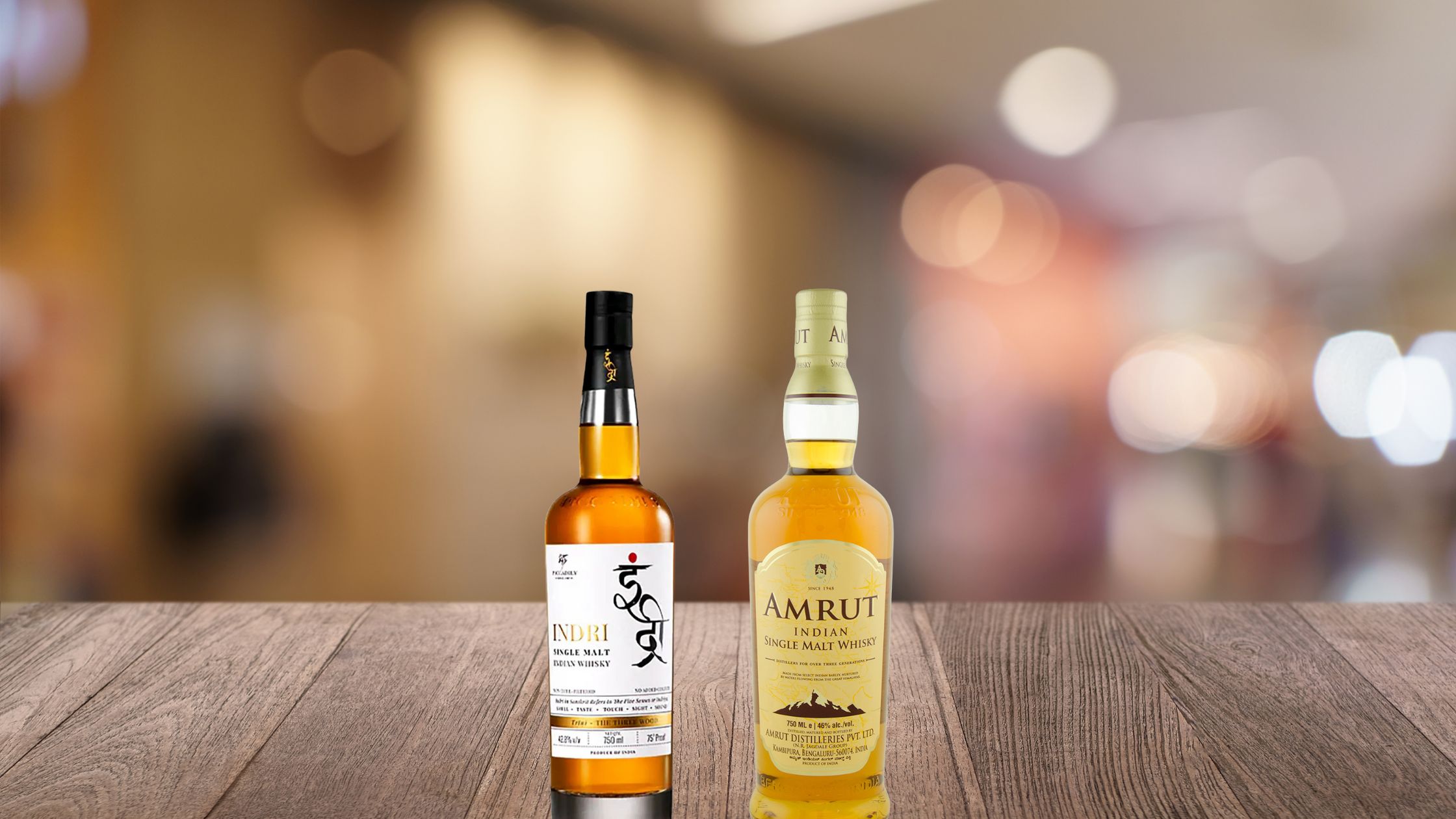
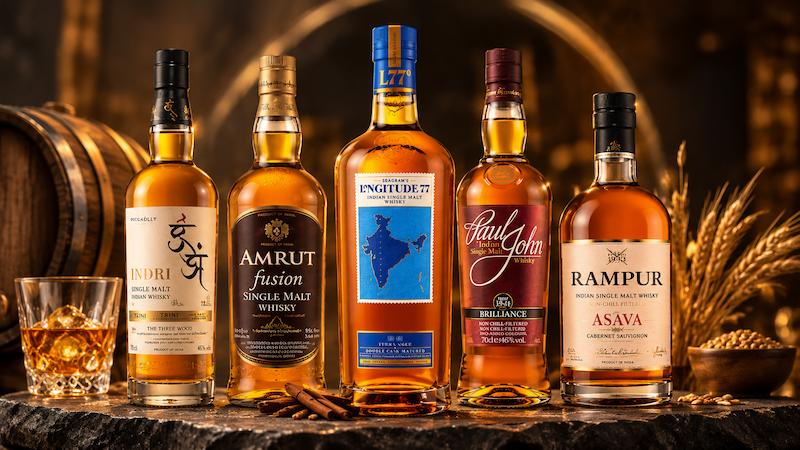
You're at the liquor store. The budget's tight, but the vibes are high. Two bottles staring at you: Indri and Amrut.
Your whisky-snob friend swears by Amrut. Instagram says Indri is the move. Your wallet is screaming. And you're just standing there like "bro, they're both Indian single malts, how different can they be?" VERY different, my friend.
This isn't just about which bottle looks prettier or which one your uncle recommends. This is about two completely different whisky philosophies going head-to-head. One's the OG legend that put Indian whisky on the map. The other's the smooth operator that's stealing hearts.
So which one deserves your hard-earned cash? Let's settle this once and for all, no boring tasting notes, just real talk about taste, price, and which one actually slaps.
Remember when Indian whisky meant cheap blends your dad mixed with soda?
Yeah, those days are DONE. A decade ago, single malt was equal to Scotland or Japan. Indian whisky is an affordable party fuel. That's it.
Then Amrut walked in like “hold my beer" and started winning international awards. Europeans were shaken."Wait, this is from Bangalore?"
Indri came later with that "new money energy", polished, confident, globally ambitious from day one. Now? Indian single malts aren't "good for Indian whisky." They're just GOOD, period. And the Indri vs Amrut debate? That's the new "iPhone vs Android" for whisky nerds in India. People have opinions.
Amrut is that friend who was cool before it was mainstream.
While everyone was sleeping on Indian whisky, Amrut was:
The Amrut vibe:
Amrut doesn't try to be your friend. It tries to earn your respect.
Indri is the friend who showed up late but came CORRECT.
Made in Haryana (unexpected whisky location, I know), Indri didn't tiptoe into the market. It arrived with:
The Indri philosophy:
Indri doesn't want to challenge you. It wants to charm you.
Bangalore's warm weather is getting whisky ages FAST.
What this means:
Think of it like cooking on high heat everything happens faster and bolder.
Indri uses three different wood types for maturation:
What this creates:
It's like slow-cooking versus pressure-cooking. Both work, totally different results.
Alright, let's get to what actually matters, how do these bad boys TASTE?
First nose: Malty, spicy
First sip: BOOM. Oak hits you. Spices wake up your entire mouth. Dark fruits making an entrance.
Mid-palate: Complex as hell. Layers of flavor fighting for attention.
Finish: Long. Slightly bitter. Lingers like a deep conversation.
First nose: Honeyed sweetness, gentle spice, "oh this is nice"
First sip: Smooth entry. Vanilla vibes. Dried fruits saying hello politely.
Mid-palate: Balanced. Everything's playing nice together. Soft spice, subtle oak.
Finish: Clean. Warm but not aggressive. Fades gracefully.
Both sit around 46% ABV. But that's where the similarity ends.
Amrut Fusion: You FEEL that 46%. There's heat. There's presence. The first sip might make you go "whoa okay."
Indri: The 46% is sneaky smooth. Warmth arrives late and leaves politely.
Choose Indri when:
Choose Amrut Fusion when:
Price plays a huge role in Indian buying decisions, especially for single malts.
From a value standpoint, Indri is more accessible. Amrut Fusion sits firmly in the premium bracket and expects you to justify the spend through taste.
|
Whisky |
Price Range |
|
Indri Diwali Collector’s Edition |
₹3,800 – ₹4,500 |
|
Amrut Fusion |
₹5,000 – ₹6,000 |
If "winning" means:
But here's the actual truth:
The REAL winner is Indian whisky as a category. Ten years ago, this conversation didn't exist. Now we're debating which Indian single malt is better like we're choosing between Scotch regions. That's the flex.
Look, if you're serious about drinking well in India, the correct answer isn't "Indri OR Amrut", It's BOTH.
Get Indri for:
Get Amrut for:
Your bar should have both. Different bottles for different moods.
Which is smoother, Indri or Amrut?
Indri is significantly smoother. Amrut is bolder and more intense.
Is Indri better than Amrut?
Not better, Indri is smoother and more approachable.
Which Indian single malt should a beginner buy?
Indri, it's easier to drink and more forgiving for first-timers.
What does Indri taste like?
Honey sweetness, vanilla, dried fruits, soft spice, balanced oak.
What does Amrut Fusion taste like?
Strong malt, spicy oak, dark fruits, bold and intense with a long finish.
-clean_1787744332.png)
_1786449176.jpg)